Meta Removes Facial Recognition from Ray-Ban Glasses: What This Means for Smart Glasses Privacy
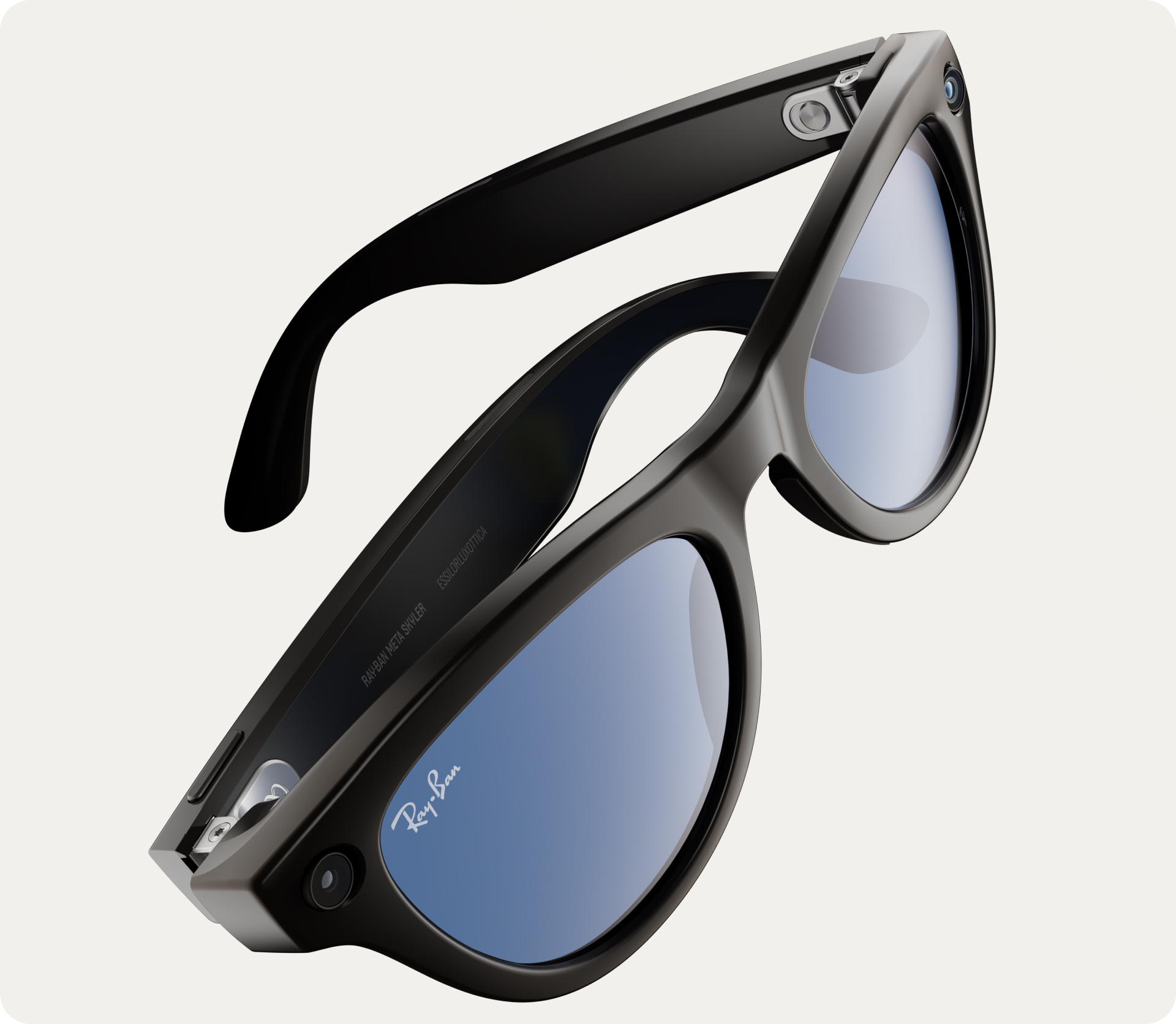
Meta has removed the NameTag facial recognition systemfrom its Ray-Ban smart glasses app — a significant privacy win after more than 70 advocacy organizations, including the ACLU and EFF, demanded action. Here's what happened, what it means for current owners, and how the smart glasses privacy landscape looks now.
What Happened
Meta removed dormant facial recognition code (NameTag) from the Ray-Ban smart glasses app on June 5, one day after WIRED exposed it.
Who Pushed Back
70+ civil rights groups including ACLU, EFF, and international privacy organizations wrote to Meta demanding removal.
Buy Signal
Ray-Ban Meta at $379 is now safer to buy. For zero-camera privacy, Even Realities G1 is the top alternative.
What Exactly Was NameTag and How Was It Discovered?
On June 4, WIRED reported discovering dormant code for a facial recognition system buried in the Meta AI companion app — the app that handles core features of Ray-Ban Meta smart glasses. The system, internally called NameTag, was never officially launched or announced by Meta.
The code contained algorithms that could convert photos of faces into biometric signatures ("faceprints"), store them locally on the user's device, and compare them against a database. In practical terms, NameTag could theoretically spot strangers with public Instagram or Facebook profiles and identify them in real time through the glasses' camera — without their knowledge or consent.
This was especially concerning because Meta had previously been warned. Back in April 2026, 75 rights organizations had already demanded that Meta abandon facial recognition plans for its smart glasses, citing surveillance, stalking, and harassment risks.
How Did Meta Respond?
Remarkably fast. Less than 24 hours after WIRED's report went public on June 4, Meta released an app update on June 5 that completely stripped the NameTag code. The Electronic Frontier Foundation (EFF) confirmed the removal on June 9 and called it a "victory."
However, privacy advocates noted that Meta's response was reactive, not proactive. The company did not voluntarily disclose NameTag's existence, did not explain why the code was there in the first place, and only removed it after public exposure and organized pressure.
Should You Still Buy Meta Ray-Ban Smart Glasses?
Yes, with awareness. The removal of NameTag is genuinely positive — the biometric code is gone. The Ray-Ban Meta at $379 remains the best AI-powered smart glasses available, with Meta AI voice assistance, live video streaming, 12MP camera, and spatial audio speakers. No other smart glasses come close to the combined feature set.
That said, the glasses still have cameras that record photos and video. People around you may not know you're recording, and the small LED indicator light is easy to miss. If the camera is your concern, consider privacy-first alternatives below.
What Are the Best Privacy-First Smart Glasses Alternatives?
If privacy is your primary concern, several smart glasses offer compelling features without a camera:
- Even Realities G1: No camera at all — just a micro LED display for notifications, navigation, and teleprompter. The most privacy-respecting smart glasses on the market. Read our review.
- Solos AirGo 3: Audio-only smart glasses with ChatGPT integration and no camera. Available at $249.
- Brilliant Labs Frame: Has a camera but processes all AI queries on-device rather than sending data to cloud servers — a middle ground between features and privacy.
- XREAL One Pro: AR display glasses focused on screen mirroring — the camera is for spatial tracking only, not social use. $599 at Amazon.
Compare all options in our smart glasses guide or use the comparison tool.
What Comes Next for Smart Glasses Privacy?
The NameTag episode highlights a broader tension in the smart glasses industry: the technology to identify people through camera-equipped glasses exists and works. The question is whether it will be deployed — and under what rules. Here's what to watch:
- Samsung Galaxy Glasses (July 25): Samsung's Galaxy Glasses include cameras. Whether Samsung implements facial recognition — and how transparently — will be a key differentiator.
- Meta Ray-Ban Gen 3 (Fall 2026): The upcoming Scriber and Blazer models cleared FCC testing. Privacy groups will scrutinize them from day one.
- Regulatory action: U.S. senators have already questioned Meta about smart glasses privacy. EU regulation under the AI Act may restrict real-time biometric identification in public spaces.
Related Articles
Smart Glasses Privacy FAQ
Common questions about Meta's facial recognition removal
Quick answers about what happened and what it means for smart glasses buyers.
Did Meta remove facial recognition from Ray-Ban smart glasses?
Yes. On June 5, 2026, Meta released an app update that completely removed the dormant 'NameTag' facial recognition code from the Meta AI companion app used by Ray-Ban smart glasses. The removal came less than 24 hours after WIRED publicly revealed the hidden code.
What was NameTag and what could it do?
NameTag was a dormant facial recognition system found in Meta's smart glasses app code. It could convert photos of faces into biometric 'faceprints,' match them against a database, and potentially identify strangers with public Instagram or Facebook accounts in real time. The feature was never officially launched.
Are Meta Ray-Ban smart glasses safe to buy now?
The removal of NameTag is a positive step for privacy. The Ray-Ban Meta glasses remain the best AI-powered smart glasses available at $379, and the facial recognition code is confirmed removed. However, the glasses still have cameras that can take photos and videos, which some people around you may find uncomfortable.
What are the most privacy-friendly smart glasses in 2026?
Even Realities G1 is the most privacy-friendly option — it has no camera at all, only a micro LED display for notifications. Solos AirGo 3 also has no camera. If you want camera functionality with better privacy controls, Brilliant Labs Frame processes data on-device rather than sending it to cloud servers.
Could Meta add facial recognition back to Ray-Ban glasses later?
While Meta removed the code, nothing technically prevents them from adding similar features in future updates. Privacy advocates recommend checking app update notes and reviewing permissions regularly. The EFF and ACLU have stated they will continue monitoring Meta's smart glasses development.