Snap Specs AR Glasses Revealed at $2,499: Should You Pre-Order or Buy Smart Glasses Now?
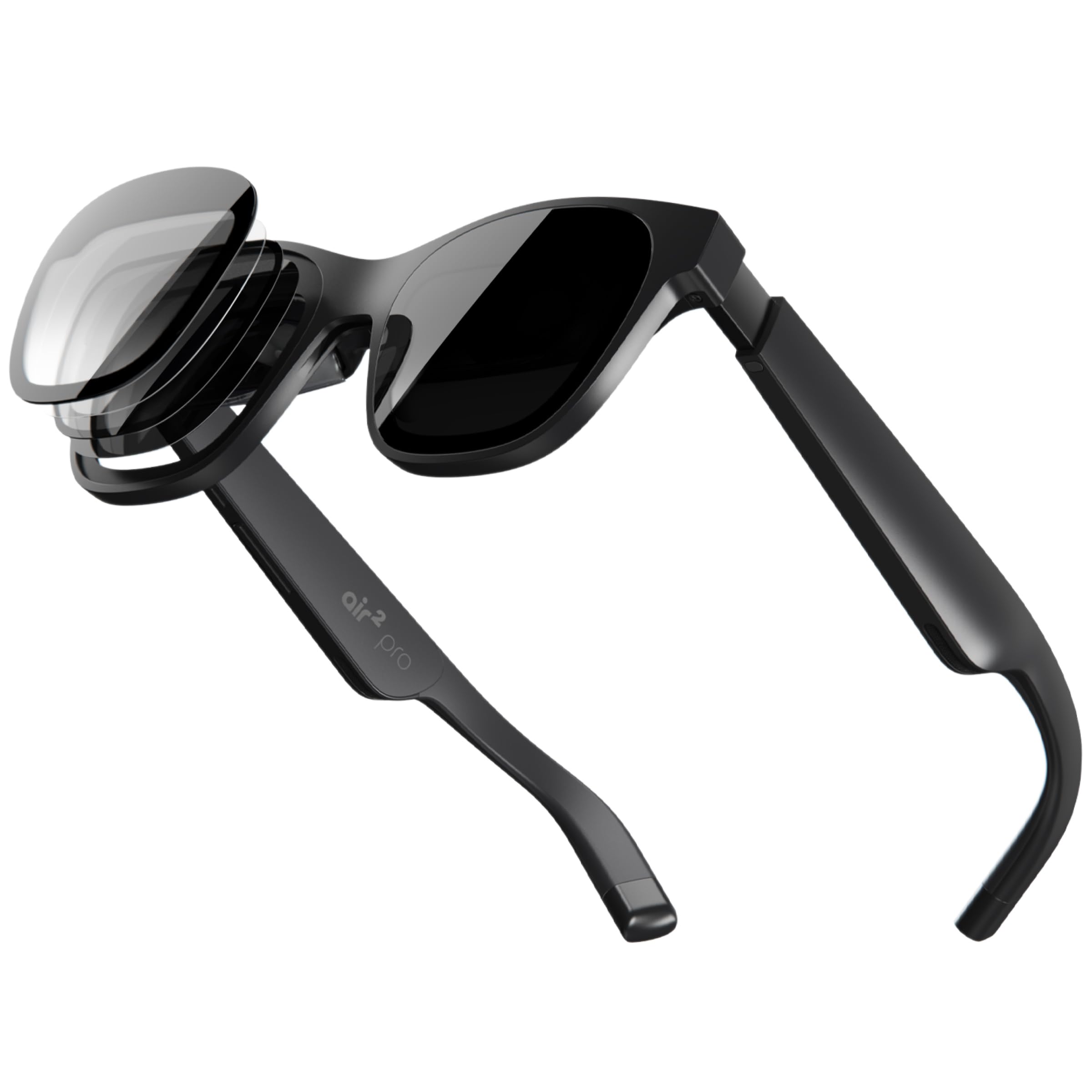
Snap CEO Evan Spiegel took the AWE 2026 stage today and made it official: consumer Specs AR glasses launch this fall at $2,499.After years of developer-only hardware, Snap is betting that lightweight, see-through AR glasses can compete with Meta's dominance in smart eyewear and Apple's Vision Pro in spatial computing. Here's what was announced, how it compares to everything else, and whether you should pre-register or buy a different pair of smart glasses today.
Price
$2,499 — true AR glasses, not camera-only eyewear. Cheaper than Vision Pro ($3,499), far more expensive than Meta Ray-Ban ($379).
Launch
Fall 2026 (September–December). Pre-registrations open now at snap.com. Powered by Qualcomm Snapdragon AR + Snap OS 2.0.
Our Take
Exciting tech, but early adopter pricing. Most buyers should get Meta Ray-Ban at $379 today and evaluate Specs after real-world reviews.
What Did Snap Announce at AWE 2026?
Spiegel's keynote, titled “Making Computing More Human,” focused on Specs as the bridge between smartphones and spatial computing. The sixth-generation Specs are the first from Snap targeted at consumers — previous versions were developer-only kits. Key specs confirmed today:
- Price: $2,499 (final retail, not a developer subsidy)
- Processor: Qualcomm Snapdragon AR chipset via a multi-year partnership
- Display: See-through holographic waveguide lenses with spatial anchoring
- Software: Snap OS 2.0 with built-in OpenAI and Gemini AI integration
- Battery: Approximately 2.5 hours of continuous AR use
- Developer tools: New spatial anchoring APIs, hand-tracking improvements, multi-user AR sessions
How Do Snap Specs Compare to Other Smart Glasses?
AWE 2026 has made clear that smart glasses now fall into three distinct tiers. Understanding which tier you're shopping in is essential:
- Meta Ray-Ban ($379) — Tier 1, AI Camera Eyewear: Camera, speakers, and Meta AI assistant. No AR display. Best for hands-free AI and photo/video capture. The mainstream smart glasses choice today.
- XREAL One Pro ($599) — Tier 2, Tethered AR Display: Projects a virtual screen into your view. Requires a phone or adapter. Best for portable entertainment and productivity.
- Snap Specs ($2,499) — Tier 3, Standalone AR Computer: Full spatial computing with see-through lenses and onboard processing. The first consumer standalone AR glasses.
- Even Realities G1 — Privacy-first: Notification display, no camera. Best for privacy-conscious buyers who want heads-up information without surveillance concerns.
Should You Pre-Register for Snap Specs?
Pre-registration is free and non-binding — there's no downside to signing up at snap.com to stay informed. But should you plan to buy at launch? Here's our honest take:
Pre-register if:You're a developer building AR experiences, an early adopter who wants the first standalone AR glasses, or a professional exploring spatial computing tools. At $2,499, Specs is a statement purchase for people who want to build on or pioneer the AR platform.
Buy something else today if: You want AI-powered smart glasses for everyday use. The Meta Ray-Ban at $379 gives you 85% of the daily utility — AI assistant, camera, speakers, music — at 15% of the price. The 2.5-hour battery on Specs also limits all-day wearability, while the Ray-Ban lasts all day.
What About Samsung Galaxy Glasses Coming in July?
Samsung is expected to unveil Galaxy Glasses at Unpacked on July 22. Codenamed “Jinju,” these are AI-and-camera glasses (Tier 1, like Meta Ray-Ban) running Android XR, priced at an estimated $379–$499. If you're an Android user waiting for a Meta Ray-Ban alternative, Galaxy Glasses may be worth the five-week wait. For AR display experiences, Specs and XREAL remain the options to watch.
The Bottom Line: What Smart Glasses Should You Buy Right Now?
For most buyers, the answer hasn't changed: the Meta Ray-Ban at $379 is the best smart glasses value in 2026. Snap Specs is genuinely exciting technology, but $2,499 and a 2.5-hour battery make it an early-adopter product. Pre-register if you're curious, buy Meta Ray-Ban if you want smart glasses today, and check back after launch reviews before committing to Specs. Browse all options in our smart glasses comparison guide and compare hub.
Related Articles
- AWE 2026 Opens Today: What Every Smart Glasses Buyer Should Watch For
- Snap Specs Coming Fall 2026: Should You Wait or Buy Smart Glasses Now?
- Samsung Unpacked July 2026: Galaxy Glasses, Watch Ultra 2, and What Buyers Should Know
- Meta Removes Facial Recognition from Ray-Ban Glasses: What It Means for Privacy
Snap Specs FAQ
Common questions about Snap Specs AR glasses
Quick answers to help you decide whether to pre-register for Snap Specs or buy a different pair of smart glasses today.
How much do Snap Specs AR glasses cost?
Snap confirmed consumer Specs at $2,499 during the AWE 2026 keynote on June 16. This positions Specs between the Meta Ray-Ban at $379 and the Apple Vision Pro at $3,499.
When do Snap Specs launch?
Snap confirmed a fall 2026 launch window — between September and December 2026. Pre-registrations opened on June 16 at snap.com.
Should I buy Snap Specs or Meta Ray-Ban smart glasses?
They serve fundamentally different purposes. Meta Ray-Ban ($379) are AI camera-and-speaker glasses with no display. Snap Specs ($2,499) are true AR glasses that overlay digital content on the real world. Buy Ray-Ban Meta for AI audio today; wait for Specs if you want spatial AR computing.
Are Snap Specs better than Apple Vision Pro?
They target different form factors. Apple Vision Pro ($3,499) is a full face-worn headset with the highest display quality. Snap Specs ($2,499) are lightweight glasses with see-through lenses. Specs are more socially acceptable to wear in public but have a smaller display field and shorter battery life.
What chip powers the Snap Specs?
Snap Specs run on a Qualcomm Snapdragon AR chipset, part of a multi-year partnership between Snap and Qualcomm confirmed in Q1 2026. The software platform is Snap OS 2.0 with OpenAI and Gemini integration.