RingConn Gen 3 vs Oura Ring 4 in 2026: Should You Pre-Order or Wait for Oura Ring 5?
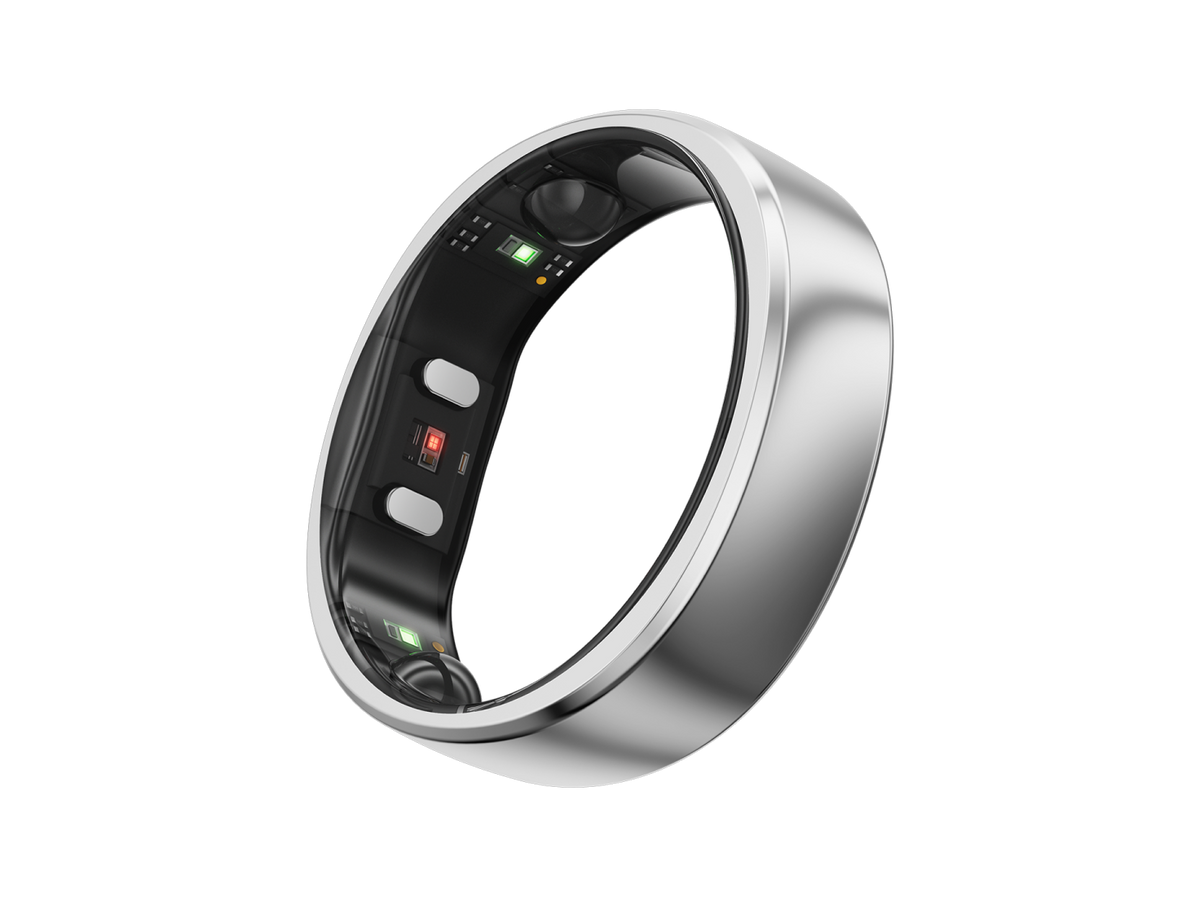
The smart ring market just got a lot more interesting. RingConn has confirmed a May 5, 2026 launch date for its Gen 3 smart ring — bringing blood pressure trend monitoring and haptic feedback to a device that requires zero subscription fees. Meanwhile, Oura's website accidentally confirmed Ring 5 is on the way, and the Oura Ring Gen 4remains the reigning champ for sleep and recovery tracking. Here's how to navigate the choices.
RingConn Gen 3
Haptic alerts, blood pressure trends, 13+ day battery, no subscription. Launches May 5, 2026. Expected ~$299–$349.
Oura Ring Gen 4
Gold standard for sleep and recovery tracking. $349 + $5.99/month subscription. Available now on Amazon.
Oura Ring 5
Confirmed via website slip and FCC filing. New sensors, Deep Rose finish. Expected late summer/early fall 2026.
What Does the RingConn Gen 3 Offer That Oura Doesn't?
The RingConn Gen 3 introduces two genuine firsts for the smart ring category. The built-in vibration motor enables haptic alerts directly on your finger — smart alarms that wake you gently, inactivity reminders, and real-time health notifications. No other mainstream smart ring offers this. The blood pressure trend monitoringuses a combination of heart rate, SpO2, skin temperature, and motion sensors to estimate blood pressure patterns over time. It's not a clinical tool, but it provides early awareness of shifts that could warrant a doctor's visit.
Then there's battery life: RingConn claims 13+ days on Gen 3, compared to roughly 7 days on the Oura Ring Gen 4. And Gen 3 now supports sizes 6 through 15, covering a wider range of finger sizes. Five new titanium finishes round out the package: Polished Future Silver, Royal Gold, Matte Black, Brushed Silver, and Brushed Rose Gold.
Where Does Oura Ring 4 Still Win?
Despite RingConn's feature innovation, Oura retains significant advantages. Sleep tracking accuracy remains Oura's strongest suit — its algorithms have years of clinical validation and peer-reviewed research behind them. The Readiness Score and Sleep Scoresystems are more mature and actionable than RingConn's equivalents. Oura also benefits from deeper integration with third-party platforms like Apple Health, Google Health Connect, and Strava.
The elephant in the room is Oura's subscription model. At $5.99/month ($71.88/year), Oura's full feature set costs meaningfully more over time. RingConn's no-subscription approach means the upfront cost is the total cost. Over a two-year ownership period, an Oura Ring Gen 4 costs roughly $493 total versus an estimated $299–$349 for RingConn Gen 3 — a significant difference.
Should You Wait for Oura Ring 5 Instead?
Oura's website slip and FCC filingpoint to a Ring 5 launch in late summer or early fall 2026 — likely September. If you're committed to the Oura ecosystem, waiting 4–5 months for Ring 5 could be worthwhile. The leaked images show updated internal sensors and a new Deep Rose finish, suggesting meaningful hardware improvements.
However, if you want a smart ring right now, buying an Oura Ring 4 at full price when Ring 5 is a few months away is a tough proposition. The RingConn Gen 3 launching May 5 offers a compelling alternative — especially if you value the haptic alerts, longer battery life, and subscription-free model.
How Does Samsung Galaxy Ring Fit Into This?
The Samsung Galaxy Ring at $399 offers no-subscription tracking with Samsung Health integration, but its future is uncertain. The Galaxy Ring 2 is in limbodue to ongoing patent disputes with Oura, and underwhelming sales suggest Samsung may deprioritize the category. For Galaxy phone owners, it's still a valid option, but the RingConn Gen 3 and Oura Ring 4 both offer stronger health tracking at lower price points.
The Bottom Line: Who Should Buy What?
Pre-order RingConn Gen 3 if you want the most innovative smart ring hardware available, value haptic alerts and blood pressure trends, and refuse to pay subscription fees. Buy Oura Ring Gen 4 now if you prioritize sleep tracking accuracy, want the most mature app ecosystem, and don't mind the subscription. Wait for Oura Ring 5if you're patient, committed to Oura, and want the latest sensors — but be prepared to wait until September or later.
Browse our full smart ring comparison to see how every option stacks up, or use our compare tool for a side-by-side breakdown.
Related Articles
Smart Ring FAQ
RingConn Gen 3 vs Oura Ring 4 — Common Questions
Quick answers about pricing, features, launch dates, and which smart ring is right for you.
When does the RingConn Gen 3 launch?
RingConn has confirmed a May 5, 2026 launch date. The ring was first revealed at CES 2026 in January and is now entering mass production with global availability on launch day.
How much does the RingConn Gen 3 cost?
RingConn has not confirmed the exact price yet. The Gen 2 launched at $299 with no subscription, so the Gen 3 is expected to be in the $299–$349 range — still significantly less than Oura Ring 4 when you factor in Oura's $5.99/month subscription.
Does the RingConn Gen 3 really monitor blood pressure?
RingConn Gen 3 tracks blood pressure trends using a combination of heart rate, SpO2, skin temperature, and motion sensors. It is not a medical diagnostic device — it surfaces long-term patterns and shifts rather than providing real-time clinical readings.
Should I wait for Oura Ring 5 instead of buying RingConn Gen 3?
Oura Ring 5 is not expected until late summer or early fall 2026 based on FCC filings. If you want a smart ring now with no subscription and innovative features like haptic alerts, the RingConn Gen 3 is a strong choice. If you prefer Oura's ecosystem and clinical validation, waiting 3–4 months for Ring 5 may be worth it.
Does the RingConn Gen 3 require a subscription?
No. RingConn uses a no-subscription model. All health tracking, insights, and haptic alert features are included with the ring purchase. Oura Ring 4, by contrast, requires a $5.99/month Oura Membership for full features.