Samsung Galaxy Glasses Unveiled at Unpacked: Should You Wait or Buy Meta Ray-Ban Now? (2026)
Samsung has officially entered the smart glasses race. At Galaxy Unpacked in London on July 22, the company unveiled Galaxy Glasses — its first AI-powered eyewear, built with Google, Qualcomm, Gentle Monster, and Warby Parker. The glasses pack a 12MP camera, run Android XR with Gemini AI, and weigh just 50 grams. But Samsung didn't announce a price or a specific release date, saying only that the product is “premium” and arrives “later in 2026.” That leaves buyers in limbo: should you wait for Galaxy Glasses or buy the proven Meta Ray-Ban smart glasses now?
Samsung Galaxy Glasses
12MP camera, Android XR + Gemini AI, 50g, 9hr battery. Price and date TBA — expected fall 2026.
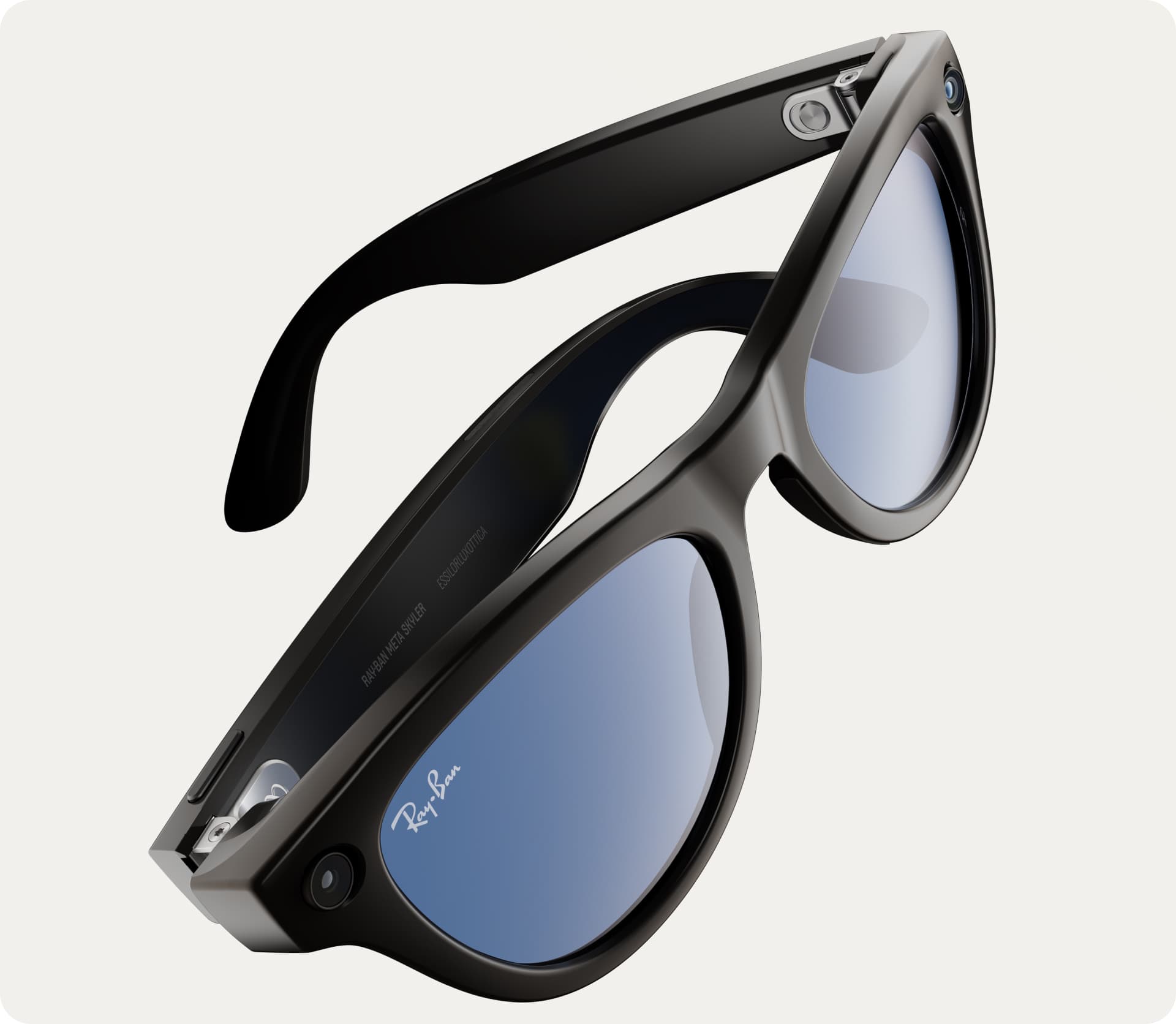
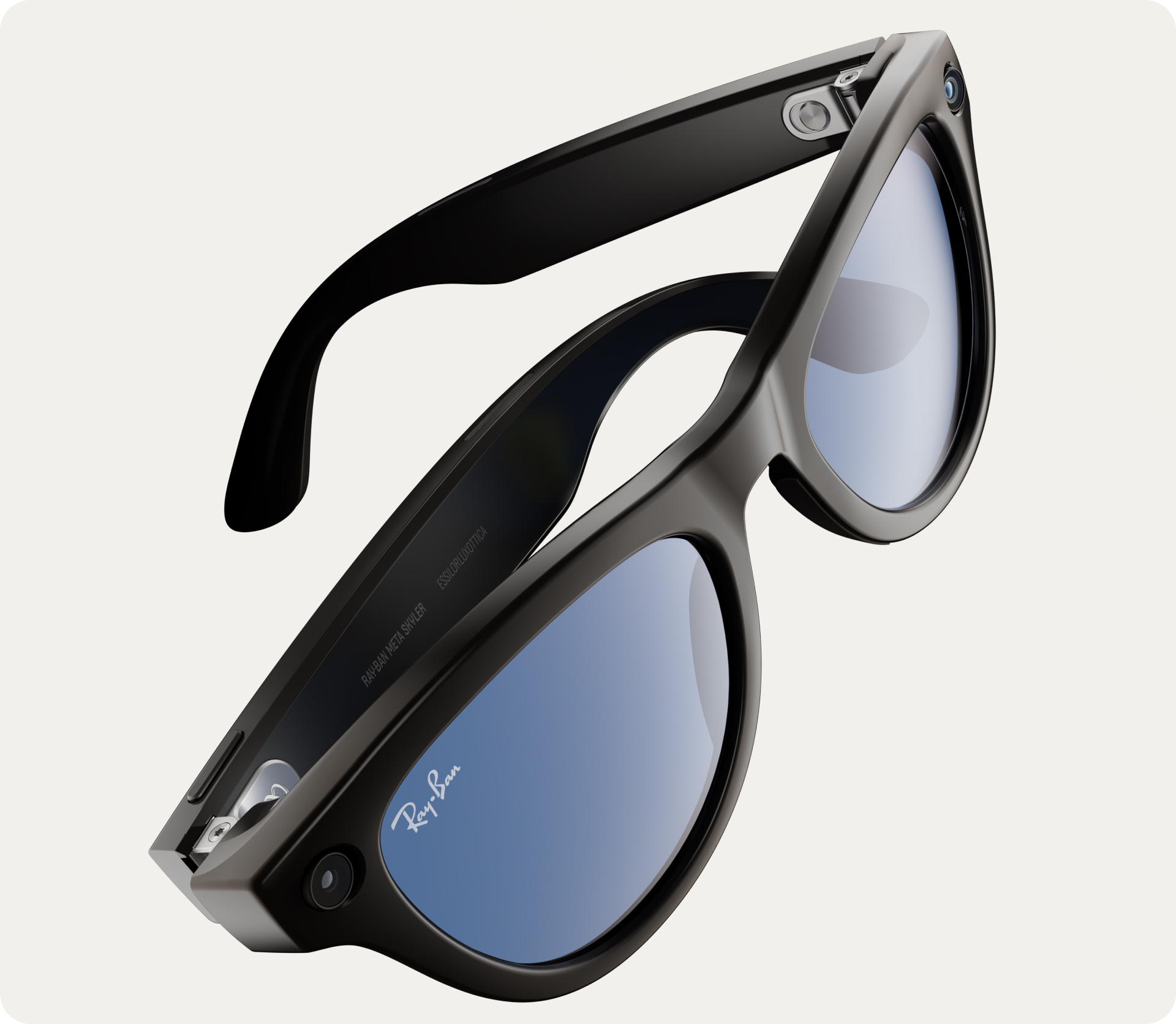
Meta Ray-Ban
12MP camera, Meta AI, from $379 on Amazon. Available now.
Our Take
Buy Meta Ray-Ban now if you want smart glasses today. Wait for Galaxy Glasses only if you're committed to the Samsung/Google ecosystem.
What Did Samsung Actually Announce?
Galaxy Glasses are display-free smart glasses — no AR overlay, no heads-up display. Like Meta Ray-Ban, they're regular-looking glasses with a camera, speakers, and microphones embedded in the frame. The intelligence comes from software: a 12MP Sony IMX681 camera captures what you see and feeds it to Google Gemini, which processes the scene and responds through directional speakers. You can take photos, record Full HD video, make hands-free calls, and ask Gemini to read signs, summarize documents, or identify objects — all by voice.
The glasses run on the Qualcomm Snapdragon AR1 Gen 1 chip — the same processor inside Meta's latest smart glasses. A 155mAh battery delivers up to 9 hours on a single charge, with the included case providing seven additional full charges. The glasses weigh approximately 50 grams and feature photochromic transition lenses that darken in sunlight, touch-sensitive frame controls, and a dedicated camera button.
How Do Galaxy Glasses Compare to Meta Ray-Ban?
On paper, Samsung and Meta are remarkably close. Both use the same Snapdragon AR1 chip, both have 12MP cameras, and both rely on audio output rather than a display. The real differences are in software ecosystems and design partnerships:
- AI assistant: Galaxy Glasses use Google Gemini; Meta Ray-Ban uses Meta AI. If you're a Gmail/Google Calendar/Google Photos user, Gemini integration could be more useful. If you live on Instagram and Facebook, Meta AI is better integrated.
- Frame designs: Samsung partnered with Gentle Monster (fashion-forward, bold) and Warby Parker (everyday, understated). Meta partnered with Ray-Ban (classic Wayfarer and other iconic styles). Ray-Ban has stronger brand recognition in eyewear.
- Battery life: Samsung claims 9 hours; Meta Ray-Ban delivers around 4–6 hours depending on usage. If the 9-hour claim holds up, that's a meaningful advantage.
- Price: Meta Ray-Ban starts at $299. Samsung hasn't announced pricing — leaks suggest $379–$499, which would make Galaxy Glasses more expensive.
- Availability: Meta Ray-Ban is available now. Galaxy Glasses arrive “later in 2026.”
Why Samsung's Entry Matters for the Market
Meta currently dominates smart glasses with a staggering 69.2% global market share in Q1 2026, according to IDC. Samsung's entry is the most significant competitive threat Meta has faced in this category. Samsung brings three things Meta can't easily replicate: deep partnerships with the world's largest Android phone maker (itself), Google's AI ecosystem(Gemini, Google Lens, Google Search), and distribution across Samsung's massive global retail network.
For buyers, competition means better products and lower prices. Meta has already dropped the entry price to $299and accelerated its AI features — moves partly driven by Samsung's looming arrival. Expect more aggressive pricing from both companies by holiday 2026.
What About the Display Model Coming in 2027?
Samsung is also developing a second Galaxy Glasses model — codenamed “Haean” — featuring a micro-LED display for actual AR overlays. This model is expected in 2027 at a rumored $600–$900. If you want smart glasses with a heads-up display, that's the one to watch. But 2027 is a long wait, and the display-free model unveiled at Unpacked is Samsung's near-term play.
For context, the Even Realities G2 already offers a micro-LED display in smart glasses today. And Meta's Ray-Ban Gen 3 (“Scriber”) is expected to add a display as well. The display smart glasses race is heating up for 2027.
Should You Wait for Galaxy Glasses or Buy Now?
Buy Meta Ray-Ban now if: You want smart glasses today, you use Instagram or Facebook heavily, you prefer a proven product with real-world reviews, or you want to spend less than $400. The Meta Ray-Ban at $379 on Amazon is excellent and available immediately.
Wait for Galaxy Glasses if:You're a Samsung phone user who wants tight Galaxy ecosystem integration, you prefer Google Gemini over Meta AI, you want the potentially longer 9-hour battery life, or you're willing to wait until fall for a product that hasn't been real-world tested yet.
Our recommendation:Unless you're deeply invested in the Samsung/Google ecosystem, buy Meta Ray-Ban now. Samsung's lack of pricing and a concrete date is a red flag for eager buyers — and the Meta Ray-Ban has a year-plus head start in software polish, app ecosystem, and real-world user feedback. If Galaxy Glasses land at $399 or less with strong reviews, you can always switch later. Smart glasses aren't a multi-year commitment like a phone.
Related Articles
- Samsung Galaxy Glasses Controls Leaked: What Buyers Should Know
- Meta Glasses at $299 vs Ray-Ban Meta: Should You Buy?
- Meta Ray-Ban Gen 3 (“Scriber”): Should You Wait?
- Meta Connect 2026 Preview: What Smart Glasses Buyers Should Expect
- All Smart Glasses Compared
Frequently Asked Questions
How much will Samsung Galaxy Glasses cost?
Samsung has not confirmed pricing. Pre-launch leaks suggest $379–$499 for the initial display-free model (codenamed 'Jinju'). A second model with a micro-LED display (codenamed 'Haean') is expected in 2027 at $600–$900. Samsung described the glasses as a 'premium' product that will be sold through its eyewear partners' channels.
When will Samsung Galaxy Glasses be available to buy?
Samsung said Galaxy Glasses will arrive 'later in 2026' but did not give a specific release date. Industry reports suggest a fall 2026 launch, possibly October or November, potentially timed with the Galaxy S26 or a standalone event.
Do Samsung Galaxy Glasses have a display?
No. The initial Galaxy Glasses model is display-free — there is no AR overlay or heads-up display. The glasses rely entirely on audio output from directional speakers, with Gemini AI providing information verbally. A second model with a micro-LED display is planned for 2027.
Can Samsung Galaxy Glasses work with iPhone?
Reports ahead of Unpacked suggested Samsung was considering iPhone compatibility, which would be a first for the Galaxy ecosystem. Samsung has not officially confirmed or denied iPhone support. The glasses run Android XR and require a paired phone for processing, so iPhone support would depend on a companion app release.
Are Samsung Galaxy Glasses better than Meta Ray-Ban smart glasses?
On paper, Galaxy Glasses match or exceed Meta Ray-Ban specs: same Snapdragon AR1 chip, a 12MP camera, and Google Gemini AI instead of Meta AI. The key advantages of Galaxy Glasses are Google ecosystem integration and photochromic lenses. Meta Ray-Ban's advantages are availability now, a proven track record, Instagram/Facebook integration, and a lower starting price of $299. Without pricing or real-world testing, a definitive comparison isn't possible yet.