Smart Glasses Market Hits 167% Growth in 2026: Why Fall Is the Best Time to Buy
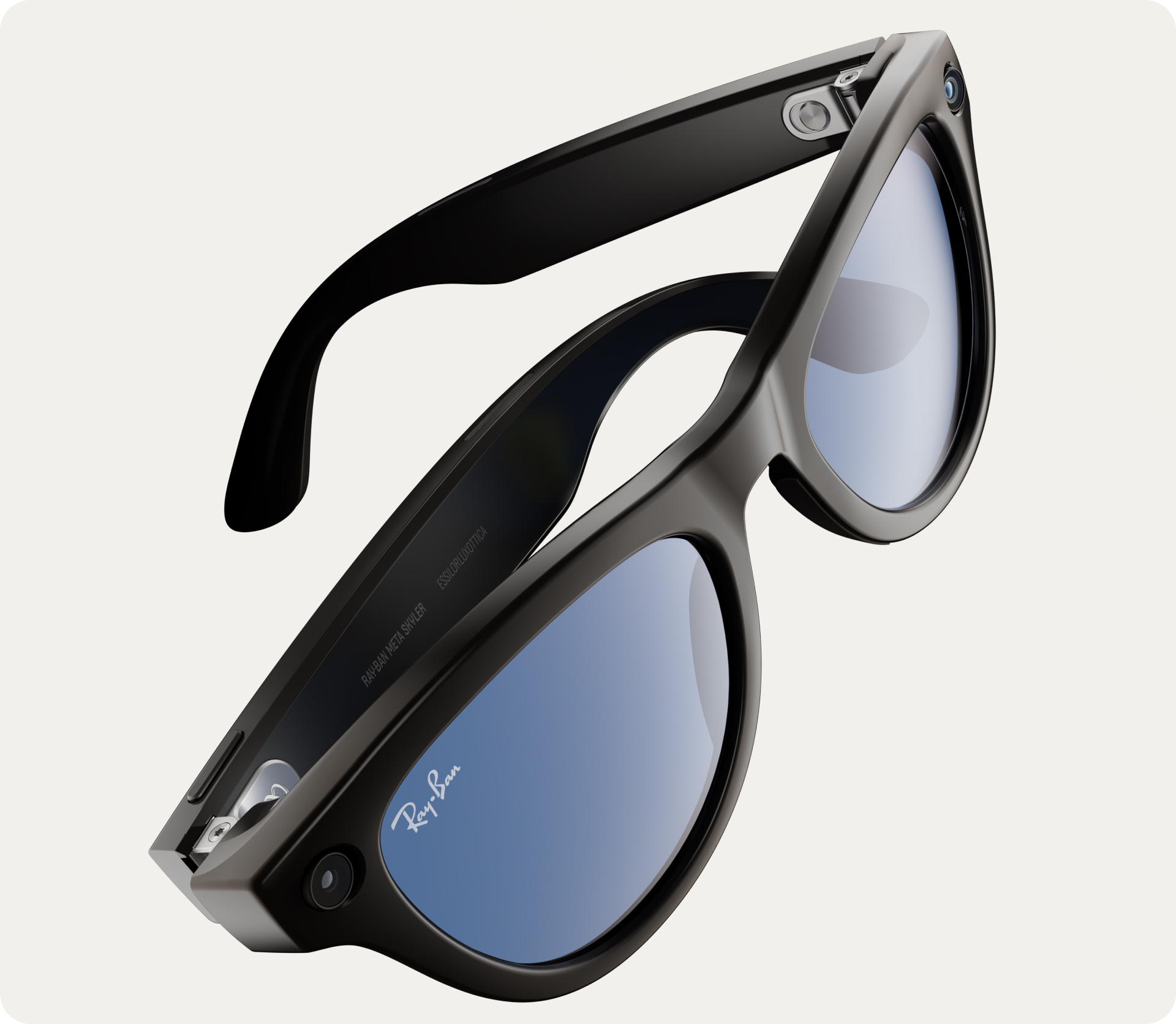
Two years ago, smart glasses were a curiosity. Today they're the fastest-growing category in wearable tech. IDC's latest forecast projects 13.6 million smart glasses units shipping worldwide in 2026 — up 167% year over year — with the market climbing to 27.3 million units by 2030. For buyers, the timing is ideal: more products, more competition, and better prices than the category has ever seen. Here's what's driving the explosion and which glasses deserve your money this fall.
Market Size
13.6 million smart glasses units forecast for 2026, 167% YoY growth, projected 27.3M by 2030.
Who's Winning
Meta holds ~94% share. Google and Samsung enter this fall. Apple arrives late 2027.
Best Picks
Browse all smart glasses or jump to compare.
Why Are Smart Glasses Growing So Fast in 2026?
Three forces are converging to make smart glasses a mainstream category:
AI made them useful. The first generation of smart glasses (Google Glass, Snapchat Spectacles) failed because they were solutions looking for a problem. Today's models ship with genuine AI assistants — Meta AI, Gemini, and soon Siri — that provide real-time translation, visual search, navigation, and voice-controlled productivity. The glasses finally have a reason to exist beyond taking photos.
Fashion partnerships normalized them. Meta's partnership with Ray-Ban, Google's with Warby Parker and Gentle Monster, and Samsung's designer collaborations mean smart glasses now look like regular glasses. The "glasshole" stigma that killed Google Glass is fading because the devices no longer scream "I'm recording you."
Competition is driving prices down. Meta's Ray-Ban Meta Audio launches at $349, the Android XR audio model comes in at $299, and camera-free options are proliferating. Two years ago, the cheapest viable smart glasses cost $500+. Today, you can get AI-powered glasses for under $300.
Who Is Winning the Smart Glasses Market?
Meta is dominant but vulnerable. With roughly 94% market share, Ray-Ban Meta is the smart glasses category. The Gen 3 launch at $449 and the camera-free Audio at $349 expand the lineup, but Meta faces its first real competition this fall.
Google is the disruptor. The Android XR glasses launching in October-November bring Gemini AI to a competing ecosystem. The $299 audio-only model undercuts Meta Audio by $50, and the $799 display model offers something Meta doesn't have — a screen. Google's cross-platform strategy (iPhone support confirmed) could steal buyers who don't want Meta's ecosystem.
Samsung is late. Samsung's Galaxy Glasses slipped to mid-2027, missing the fall 2026 launch window entirely. Samsung will ship Android XR glasses eventually, but its partners (Warby Parker, Gentle Monster) will lead the Android XR charge in 2026.
Apple hasn't arrived yet. Apple's privacy-focused smart glasses are expected to debut at WWDC 2027 with a late 2027 ship date. Apple will shake up the market when it arrives, but that's 12+ months away.
Which Smart Glasses Should You Buy This Fall?
Best overall: Ray-Ban Meta Gen 3 ($449). The most complete smart glasses available today. 12MP camera, 3K video, Dolby Atmos 360 spatial audio, and the best AI assistant in the category. Three frame styles (Aviator, Wayfarer, Zena). Available now.
Best value: Ray-Ban Meta Audio ($349). 12 hours of battery, 43 grams, no camera friction. The Audio vs Gen 3 trade-offs favor Audio for most first-time buyers. Preorder now, ships October 13.
Best for Google users: Android XR Audio ($299). The cheapest AI-powered glasses from a major platform, with Gemini assistant and iPhone compatibility. Ships November 2026. Worth waiting for if you prefer Google's ecosystem.
Best display glasses: Android XR Warby Parker ($799). The only smart glasses under $1,000 with a display for navigation overlays, translation, and notification summaries. Ships October 14. Read our Android XR vs Meta Ray-Ban comparison.
Should You Wait for Apple Smart Glasses?
No, unless you're an Apple-only household. Apple's smart glasses are at least 12 months from shipping, and first-generation Apple products typically launch at premium prices with limited features. The current crop of Meta and Android XR glasses are mature, well-reviewed, and available now.
Smart glasses at $299–$449 are not a major financial commitment. If you buy Ray-Ban Meta or Android XR today and Apple launches something compelling in late 2027, you've gotten a full year of use from a great product. The smart glasses market will only get better, but the current generation is already genuinely useful — there's no penalty for buying now.
Related Articles
Smart Glasses Market FAQ
Common questions about the smart glasses market in 2026
Quick answers about market growth, who's winning, and which smart glasses to buy.
How fast is the smart glasses market growing in 2026?
IDC forecasts 13.6 million smart glasses units shipping worldwide in 2026, a 167% increase year over year. Counterpoint Research reported even higher growth of 263% in the first half alone. Both firms agree smart glasses are the fastest-growing wearable category in 2026.
Which company sells the most smart glasses?
Meta dominates with roughly 94% market share through its Ray-Ban Meta partnership with EssilorLuxottica. Google's Android XR partners (Warby Parker and Gentle Monster) and Samsung are the main challengers entering the market in late 2026 and 2027.
Should I wait for Apple smart glasses before buying?
Apple plans to unveil smart glasses at WWDC 2027 with a late 2027 ship date. That's at least 12 months away, and first-generation Apple products tend to be expensive. If you want smart glasses now, Meta Gen 3, Audio, or Android XR glasses are the best options. You won't regret buying today.
What are the best smart glasses to buy in fall 2026?
For most buyers, Ray-Ban Meta Audio ($349) or Gen 3 ($449) are the top picks. For Google ecosystem users, the Warby Parker Android XR glasses ($299 audio-only or $799 display model) ship in October-November. Budget-conscious buyers should look at the $299 Android XR audio model when it ships.
Will smart glasses get cheaper as the market grows?
Prices are already dropping at the entry level — the $299 Android XR audio model is the cheapest major-platform smart glasses yet. However, premium models with cameras and displays are holding at $449-$799. Expect more competition to drive prices down gradually through 2027.