Smart Glasses Market Surges 83% in 2026: Is Now the Best Time to Buy?
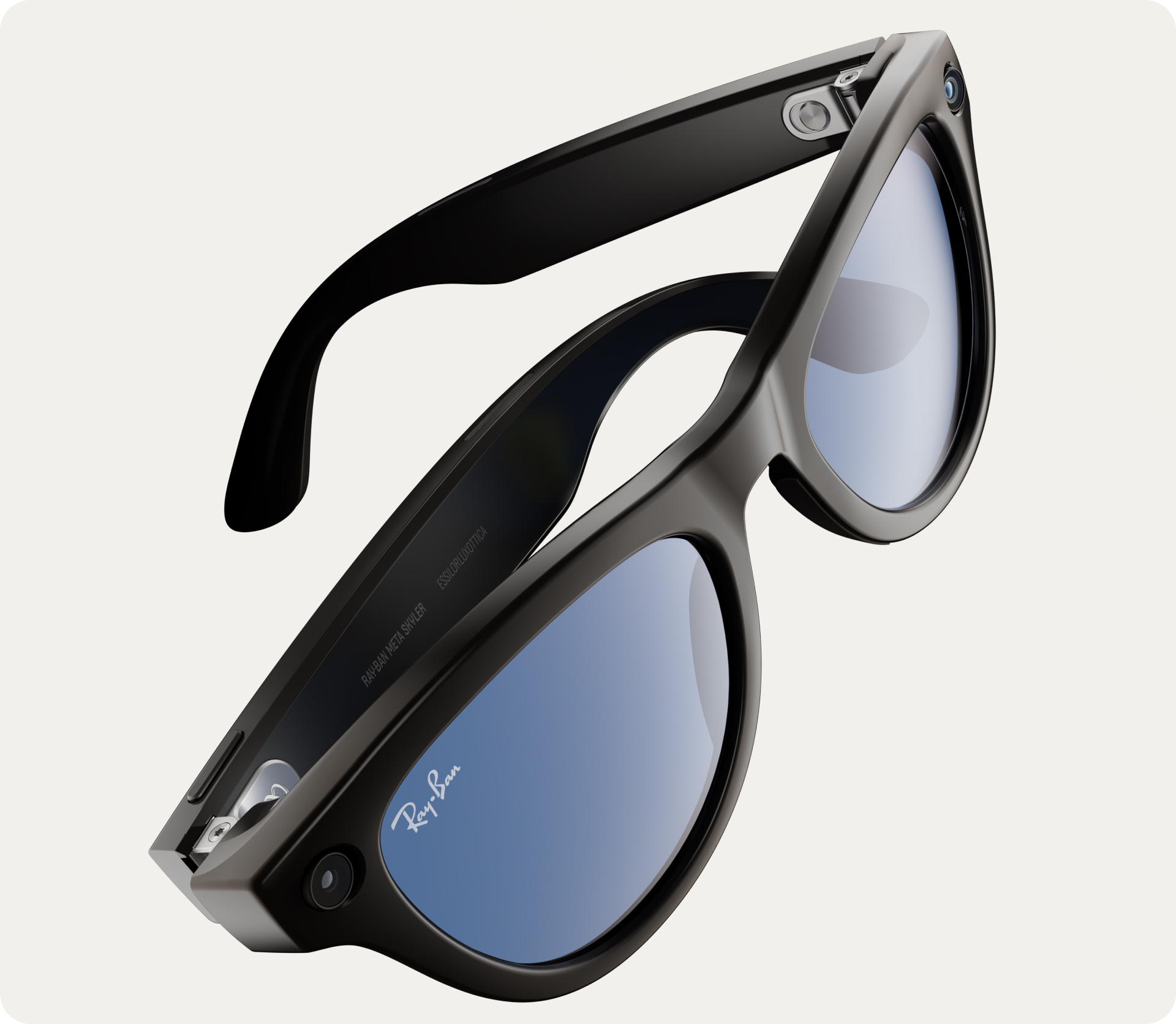
New market data confirms what anyone browsing tech headlines already suspected: smart glasses are no longer a niche gadget category. Shipments grew 83% year-over-year in Q1 2026, building on a staggering 139% surge in H2 2025. Meta currently commands 82% of the market through Ray-Ban Meta and Oakley Meta, but Samsung, Google, and a wave of Ray-Ban Gen 3 hardware are all set to arrive this fall. For anyone considering a purchase, the numbers raise an obvious question: buy now, or wait for the next wave of competition?
Market Growth
83% YoY growth in Q1 2026 after a 139% surge in H2 2025. On pace to exceed 10 million units shipped in 2026, up from ~4 million in 2024.
Current Leader
Meta holds 82% market share via Ray-Ban Meta (lifestyle) and Oakley Meta HSTN/Vanguard (sports). AI glasses now make up 88% of shipments.
What's Coming
Samsung Galaxy Glasses, Ray-Ban Gen 3, and Google-partnered devices all land this fall, promising more choice and pricing pressure.
Smart Glasses Sales Are Exploding — Here Are the Numbers
The growth curve for smart glasses is now one of the steepest in consumer electronics. Q1 2026 shipments grew 83% year-over-year, with display-less audio and camera glasses growing an eye-popping 210% and AR-capable display glasses growing 136%. That follows an even larger 139% year-over-year surge in H2 2025, meaning the category has now posted triple-digit or near-triple-digit growth for two consecutive half-year periods.
Perhaps the most telling data point is that AI-enabled glasses now account for 88% of all shipments in the category. This isn't a story about camera glasses or novelty audio frames anymore — it's a story about AI hardware, where the glasses form factor is becoming the preferred way to carry an always-available assistant. Average selling prices have climbed too, from roughly $347 to $360, suggesting buyers are trading up rather than chasing the cheapest option.
For more on the shipment trajectory and what it means for timing a purchase, see our earlier coverage of the 8 million AI glasses shipped milestone.
Why Is Meta Winning with 82% Market Share?
Meta's dominance comes down to a simple formula: familiar frames, real utility, and a manufacturing partner that knows eyewear. The Ray-Ban Meta lineup leverages Meta's partnership with EssilorLuxottica, the world's largest eyewear company, to produce glasses that look like normal Wayfarers and Headliners rather than tech demos. That design discipline, combined with a $379 entry price and genuinely useful AI features, has made Ray-Ban Meta the default answer whenever someone asks "what smart glasses should I buy?"
Meta has also expanded beyond lifestyle frames into sports with Oakley Meta HSTN and Vanguard, capturing athletes and outdoor enthusiasts who want durability and a wraparound fit. That two-pronged approach — one silhouette for everyday wear, another for performance — lets Meta cover far more of the market than any single-frame competitor. Smaller players like Even Realities, XREAL, and Solos have found real but narrow niches, mostly around camera-free display glasses or AR overlays, without threatening Meta's overall lead.
You can browse the full lineup and current pricing on our Meta Ray-Ban Smart Glasses price page, or read our in-depth Meta Ray-Ban Smart Glasses review for a closer look at the hardware and AI features.
What New Smart Glasses Are Coming in Fall 2026?
The most disruptive change to the market's balance of power arrives this fall, when several major players finally ship competing hardware. Samsung Galaxy Glasses, developed in partnership with fashion eyewear brands Gentle Monster and Warby Parker, will run on a Snapdragon AR1 Gen 1 chipset and is expected to launch in fall 2026 at a price estimated between $379 and $499. This is Samsung's first serious attempt at eyewear-first wearables, and the Gentle Monster collaboration signals a real design push rather than a me-too product.
Meta itself isn't standing still. Ray-Ban Gen 3 is expected to debut at Meta Connect on September 23, likely priced between $400 and $500, with rumored upgrades to camera quality, battery life, and on-device AI processing. Meanwhile, Even Realities G2 — a camera-free display glasses model — is already shipping now at $599, appealing to buyers who want notifications and navigation cues without the privacy concerns of an always-on camera. Google is also reportedly working with hardware partners on its own smart glasses push, though details remain less concrete than Samsung's or Meta's roadmaps.
For a closer look at how camera-free designs stack up against the camera-equipped mainstream, read our Even Realities G2 review roundup.
Should You Buy Smart Glasses Now or Wait?
With this much movement expected in the next few months, the buying decision comes down to how much certainty you need versus how much choice you want. Buy the Ray-Ban Meta now if you want a proven product today — it's the market leader for a reason, with a mature app, strong reviews, and a $379 price point that's hard to beat for what you get.
Wait until fall if you're invested in the Samsung or Google ecosystem, or simply want to compare more options before committing. Samsung Galaxy Glasses and Ray-Ban Gen 3 will both be reviewed extensively within weeks of launch, and increased competition historically pushes prices down across the board. If camera-free privacy matters more to you than photo and video capture, the Even Realities G2 at $599 is already available and worth considering over waiting for a camera-equipped alternative.
Whichever path you choose, it's worth tracking the full field before you buy. Browse every model in our AI glasses category or use our side-by-side comparison tool to weigh specs and pricing directly against each other.
Related Articles
Smart Glasses Market FAQ
Common questions about the 2026 smart glasses market
Quick answers to help you decide whether now is the right time to buy smart glasses.
How fast is the smart glasses market growing in 2026?
Q1 2026 saw 83% year-over-year growth in smart glasses shipments. That follows an even bigger surge of 139% year-over-year growth in H2 2025. The market is on track to exceed 10 million units shipped in 2026, up from around 4 million units in 2024 — more than doubling in just two years.
Who makes the best-selling smart glasses?
Meta dominates the category with 82% market share, driven by Ray-Ban Meta for everyday lifestyle use and Oakley Meta HSTN and Vanguard for sports and performance. Even Realities, XREAL, and Solos hold smaller niche positions in the display and AR segments. Samsung and Google are both entering the market this fall, which should meaningfully reshape the competitive landscape.
Should I buy smart glasses now or wait for Samsung Galaxy Glasses?
If you want smart glasses today, the Ray-Ban Meta at $379 is the proven, well-reviewed choice with a mature app ecosystem. If you can wait until fall 2026, Samsung Galaxy Glasses (estimated $379-$499) and Ray-Ban Gen 3 (estimated $400-$500) will offer more options. More competition typically means better products and potentially lower prices, so patient buyers may benefit from waiting a few months.
Are smart glasses replacing smartphones?
Not yet, but the trend is accelerating quickly. Market analysts project the smart glasses category will grow 14-16% annually through 2030. The main driver is AI — multimodal AI that can see and hear through the glasses is what's making them genuinely useful daily tools rather than novelty gadgets, and that utility is what's pulling in mainstream buyers.