China Controls 80% of Smart Glasses Brands in 2026: What It Means for Buyers
A Digitimes analysis published July 28 reveals a striking market reality: Chinese companies now account for nearly 80% of all smart glasses brands worldwide. IDC forecasts these manufacturers will ship 22.67 million AI glasses units in 2026 alone — up 56% from 2025. China's domestic smart glasses market is expected to hit 4.9 million units, which IDC calls a “large-scale inflection point.” If you're shopping for smart glasses in 2026, this shift directly affects your choices, prices, and privacy considerations.
The Story
Chinese brands now make up ~80% of all smart glasses brands globally, driven by AI demand and an integrated supply chain.
Who It Affects
Anyone buying smart glasses in 2026 — Chinese brands offer lower prices but vary widely in software maturity and privacy practices.
Our Take
More brands mean lower prices and faster innovation. Match your choice to use case: display viewing, AI assistant, or privacy-first productivity.
How Did China Come to Dominate the Smart Glasses Market?
China's dominance isn't just about having more brands — it's about controlling the entire supply chain. Over 80% of companies in the global AI glasses supply chain are based in China, spanning display panels (BOE, Visionox), optical waveguides, Qualcomm-compatible chipsets, battery cells, and final assembly. This vertical integration gives Chinese manufacturers a structural cost advantage that Western competitors cannot easily replicate.
The AI boom accelerated this trend. As large language models made smart glasses genuinely useful for translation, object identification, and real-time assistance, demand surged — and China's factories were positioned to meet it faster than anyone else. AI glasses sales in China jumped 80% in the first half of 2025, creating the foundation for 2026's explosive growth.
Which Chinese Smart Glasses Brands Should You Know?
XREAL — AR Display Leader
XREAL leads the AR display glasses segment with products like the Air 2 Pro ($376) and XREAL One Pro ($599). These are primarily display glasses — they project a virtual screen in front of your eyes for movies, gaming, and productivity. XREAL is also developing Project Aura, its first Android XR glasses with AI features.
Rokid — Budget-Friendly AR
The Rokid Max ($270) offers excellent value as an AR display headset with Micro-OLED panels. Rokid has expanded into AI-powered smart glasses with its Rokid AR Studio platform, and the brand is now available across Europe through retail partnerships.
Even Realities — Privacy-First Unicorn
Even Realities reached a $1 billion valuation in July 2026 after a $150 million funding round led by Meituan and Tencent. The G2 ($599) is the leading camera-free smart glasses option, offering AI features through microphones and a monochrome microLED display without any visual recording capability. Founded by former Apple engineer Will Wang, Even Realities bets that privacy will be the differentiator as smart glasses go mainstream.
Xiaomi and Huawei — Mass-Market Entrants
Both tech giants have launched smart glasses leveraging their existing smartphone ecosystems. Xiaomi's recent AI glasses drove significant volume in China, while Huawei's Eyewear 2 targets fashion-conscious buyers. Neither has achieved the Western brand recognition of Meta or Apple, but their pricing power and distribution networks are formidable.
What Does This Mean for Prices and Innovation?
More brands competing means lower prices and faster innovationfor consumers. We're already seeing this play out:
- Price pressure: The Rokid Max at $270 and XREAL Air 2 Pro at $376 undercut Meta's $379 starting price while offering comparable or better display quality for media consumption
- Faster iteration: Chinese brands release new models every 6–12 months, compared to Meta's 18–24 month cycle
- Budget AI glasses emerging: Sub-$200 AI-powered glasses are starting to appear from Chinese brands, though software quality varies
- Display technology leadership: Color microLED displays for smart glasses could reach mass production by 2028, driven largely by Chinese and Taiwanese supply chains
What About Privacy and Software Ecosystem?
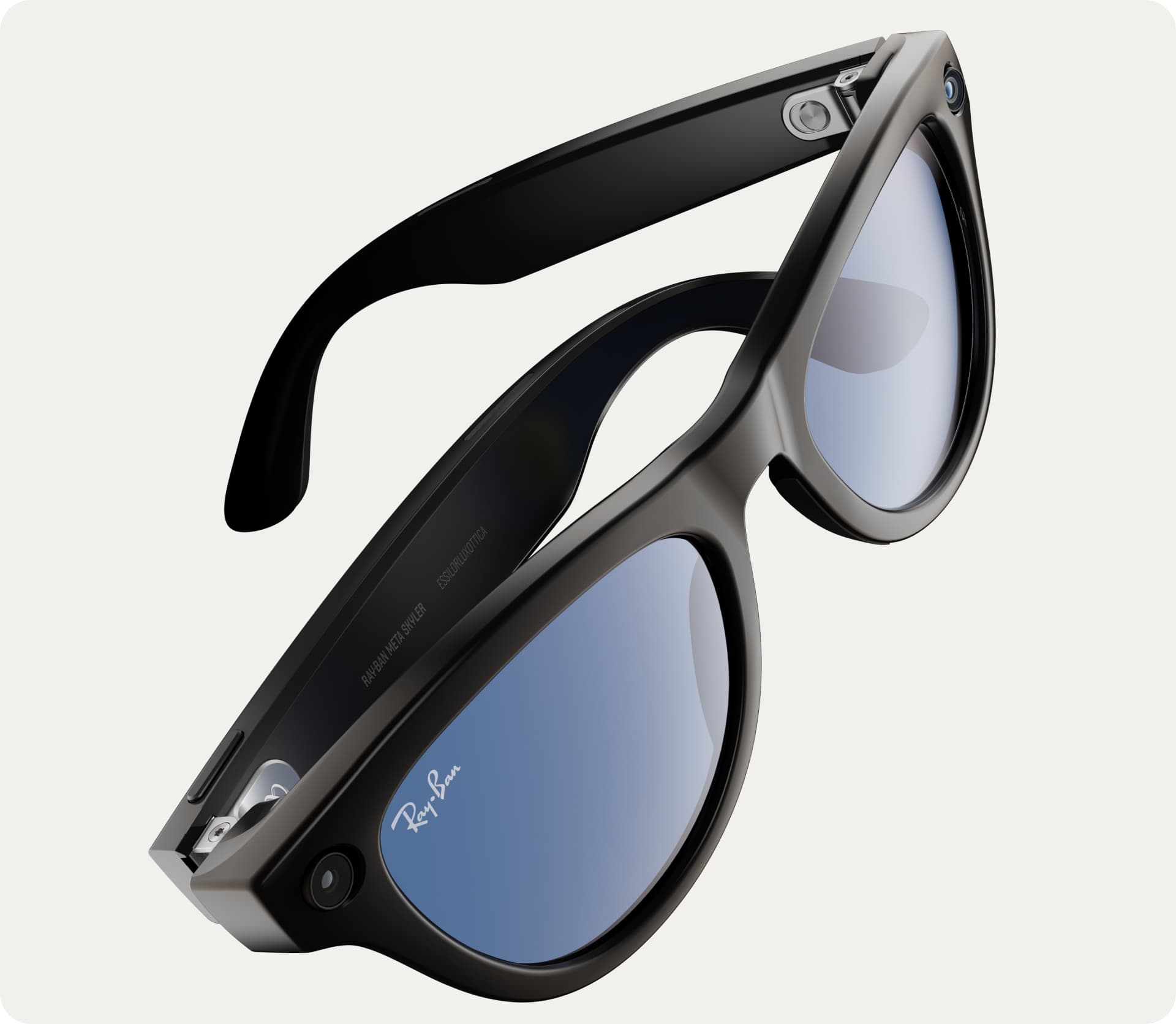
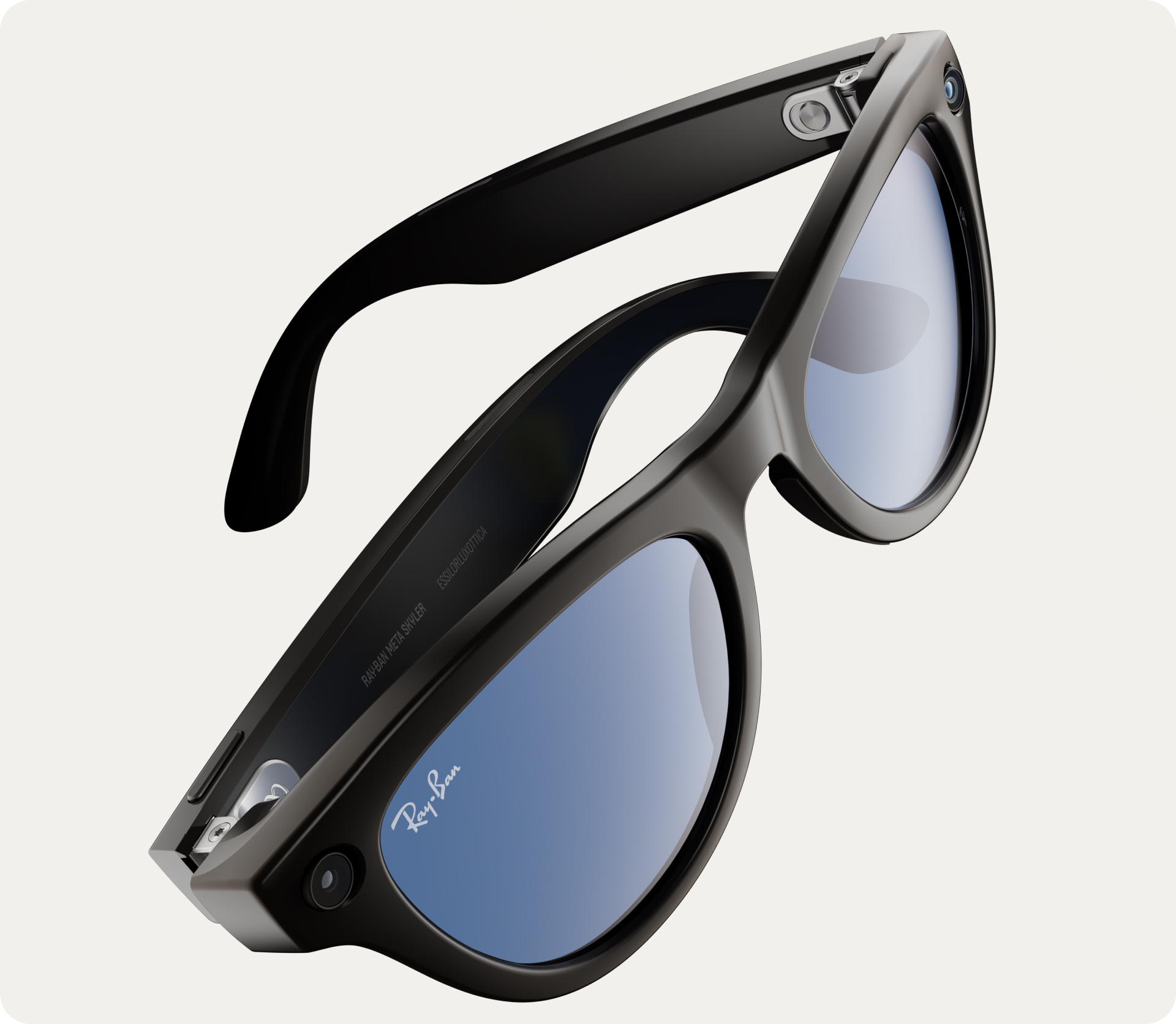
This is where Western brands still hold an advantage. Meta's Ray-Ban glasses have a mature software ecosystem with Instagram, WhatsApp, and Threads integration, and Meta has published clear (if imperfect) privacy policies. Apple's upcoming smart glasses are being designed with privacy as the core differentiator.
Chinese smart glasses brands vary widely on privacy. Even Realities is arguably the most privacy-friendly smart glasses maker of any origin — no camera means no visual recording concerns. XREAL and Rokid are primarily display devices that don't record your environment. But some newer Chinese AI glasses with cameras have unclear data policies that buyers should scrutinize before purchasing.
For a full breakdown of what different devices record, see our AI Wearables Privacy Guide 2026 and the EFF report on which brands protect your data.
What Should You Buy Right Now?
Your best smart glasses choice in 2026 depends on what you want them for:
- Best AI assistant + social media: Meta Ray-Ban ($379) — most mature AI ecosystem with Muse Spark and Instagram/WhatsApp integration
- Best AR display for movies and gaming: XREAL Air 2 Pro ($376) or Rokid Max ($270) — better value for media consumption
- Best privacy-first productivity: Even Realities G2 ($599) — camera-free with AI transcription and note-taking
- Best budget entry: Rokid Max at $270 — lowest price for quality Micro-OLED AR glasses
Compare all options in our smart glasses guide and comparison tool.
Related Articles
- AI Wearables Privacy Guide 2026: What Devices Actually Record
- Even Realities Hits $1B: Camera-Free vs Camera Smart Glasses
- Smart Glasses Privacy vs Cameras: Apple, Meta, Samsung Compared
- Meta Ray-Ban Smart Glasses Review
- XREAL Air 2 Pro Price Comparison
- Rokid Max Price Comparison
- All Smart Glasses Compared
Frequently Asked Questions
What percentage of smart glasses brands are Chinese in 2026?
According to Digitimes, Chinese companies account for nearly 80% of all smart glasses brands globally as of mid-2026. IDC forecasts Chinese manufacturers will ship 22.67 million AI glasses units worldwide in 2026, up 56% year-over-year.
Which Chinese smart glasses brands are the most popular?
The leading Chinese smart glasses brands include XREAL (AR display glasses like the Air 2 Pro at $376), Rokid (Max at $270), Even Realities (camera-free G2 at $599), plus newer entrants from Xiaomi and Huawei. Even Realities reached a $1 billion valuation in July 2026.
Are Chinese smart glasses safe to buy regarding privacy?
Privacy varies by brand. Even Realities has no camera at all, making it one of the most privacy-friendly options regardless of origin. XREAL and Rokid are primarily display glasses that don't record your environment. For any smart glasses with cameras, check the manufacturer's data policy regardless of where the company is based.
Should I buy Chinese smart glasses or Meta Ray-Ban?
It depends on your use case. For AR display viewing (movies, gaming), Chinese brands like XREAL and Rokid offer better value. For camera-based AI features and social media integration, Meta Ray-Ban at $379 has the most mature ecosystem. For privacy-focused productivity, Even Realities G2 at $599 leads the market.
Will China's smart glasses dominance lower prices?
Yes — more competition is already driving prices down. The Rokid Max dropped from $400 to $270, and XREAL Air 2 Pro is available for $376, well below Meta's $379 starting price. Budget AI glasses under $200 are also emerging from Chinese brands, though software maturity varies.