


Smart Glasses with Color MicroLED Displays Could Reach Mass Production by 2028 — Digitimes
Digitimes reports that Taiwan's supply chain is preparing for color microLED smart glasses displays to enter mass production by 2028. Current smart glasses like Even Realities G2 and Meta Ray-Ban Display use monochrome or small OLED viewfinders, but full-color microLED waveguide displays would enable true AR overlays in a glasses form factor. Jorjin's chairman says optics remain the hardest hurdle.

Featured Product
Meta Ray-Ban (Gen 2) Smart Glasses
The newest generation Meta Ray-Ban — 2x battery life, 3K HD video, and upgraded Meta AI in the same iconic Ray-Ban frame.
Price
Current price not available
Digitimes reports that Taiwan's display supply chain is gearing up for color microLED smart glasses displays to enter mass production by 2028. A separate Digitimes interview with Jorjin Technologies' chairman confirms that optics remain the hardest technological hurdle for smart glasses — harder than chips, batteries, or AI software.
Why MicroLED Matters
Current smart glasses use limited display technologies:
- Even Realities G2: Monochrome green microLED — text and simple graphics only
- Meta Ray-Ban Display: Small OLED viewfinder in one lens corner
- Snap Spectacles: Waveguide AR display, but bulky and limited battery life
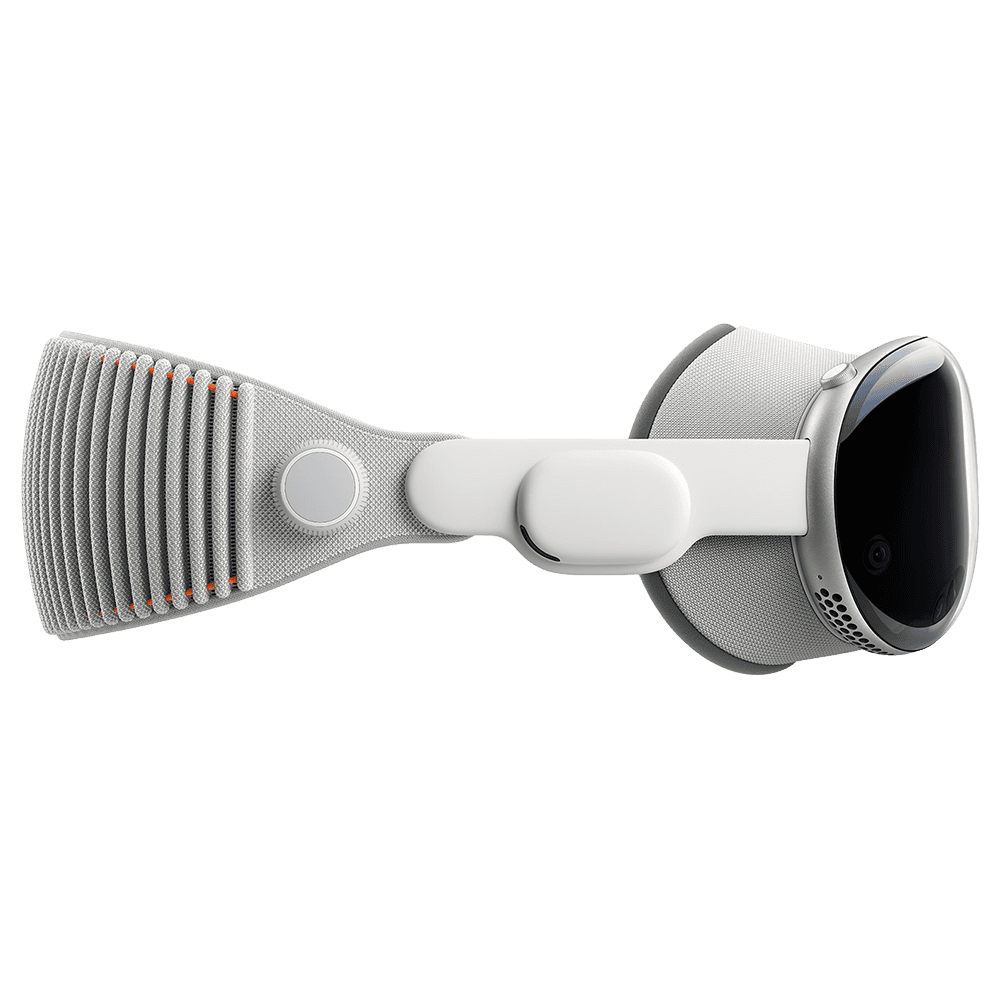
- Apple Vision Pro: Full micro-OLED panels, but in a heavy headset form factor
Full-color microLED waveguide displays would enable true AR overlays — directions, notifications, translations, and contextual information — projected directly onto lightweight prescription-style lenses. This is the "holy grail" for smart glasses and what Apple, Meta, and Samsung are all working toward for their next-generation products.
The Timeline
Taiwan's supply chain expects the following progression:
- 2026–2027: Monochrome and limited-color microLED displays (current generation)
- 2028: Full-color microLED displays enter mass production for smart glasses
- 2029+: Cost reduction makes color AR glasses viable for consumer price points
The Optics Challenge
Jorjin's chairman explained that the core difficulty isn't making small, bright displays — it's projecting those displays through lightweight waveguide optics while maintaining color accuracy, brightness in sunlight, and a wide enough field of view. Current waveguide technology forces tradeoffs between size, weight, and visual quality that no company has fully solved.
What This Means for Buyers
If you're waiting for "real" AR glasses — lightweight frames with full-color overlays — 2028–2029 is the earliest realistic window. Apple's smart glasses targeting WWDC 2027 will likely use early versions of this technology. In the meantime, the Meta Ray-Ban ($379) and Even Realities G2 ($599) represent the best of today's smart glasses. See our smart glasses guide for current options.
Related Products
Go deeper on Meta Ray-Ban (Gen 2) Smart Glasses
Move from this news update into the key money pages so you can compare pricing, read the full review, and see similar products in context.
Keep researching this story
Related News
Samsung Official Confirms Galaxy Glasses Launch in November 2026: Price, Specs, and What to Expect
3 min read
updateCamera-Free Smart Glasses Go Mainstream: Meta Audio, Samsung Galaxy Glasses, and HTC Vive Eagle Lead Privacy-First Trend
3 min read
updateOura's 4x Oversubscribed IPO Validates Smart Ring Category: Eli Lilly, Dragoneer Back $2.2B Offering
2 min read