Smart Glasses Privacy vs Cameras 2026: Apple, Meta, and Samsung Take Three Different Paths — Which Is Right for You?
The smart glasses market just split into three philosophies. In the span of five days, we learned that Apple may ship glasses without cameras, Samsung is launching with a 12MP sensor, and Meta is teasing even more camera-forward devicesfor September. For buyers, this isn't just a specs comparison — it's a fundamental choice about what you want on your face and what you're willing to share.
Apple's Bet
Privacy-first. Prototyping no-camera glasses. WWDC 2027 reveal. On-device AI, no facial recognition, premium acetate frames.
Meta's Bet
Camera-first. 82% market share. New glasses teased for Connect September 23. AI features depend on visual data from cameras.
Samsung's Bet
Ecosystem play. Galaxy Glasses with 12MP camera, Gemini AI, gesture control via Galaxy Watch and Galaxy Ring. Fall 2026 launch.
How Did We Get Three Different Smart Glasses Strategies?
When Meta launched the Ray-Ban smart glasses in 2023, the camera was the headline feature. It worked — Meta has sold over 10 million pairs and commands an estimated 82% of the smart glasses market. But the camera also brought backlash: privacy concerns, venue bans, and a growing segment of buyers who want smart glasses but not the social stigma of wearing a camera on their face.
This created an opening. Even Realities proved camera-free glasses can succeed with the G2, now a $1 billion company. Apple took note and is prototyping glasses without cameras. Meanwhile, Samsung entered the market at Galaxy Unpacked on July 22by following Meta's camera playbook rather than Apple's privacy path.
What Can Each Pair of Smart Glasses Actually Do?
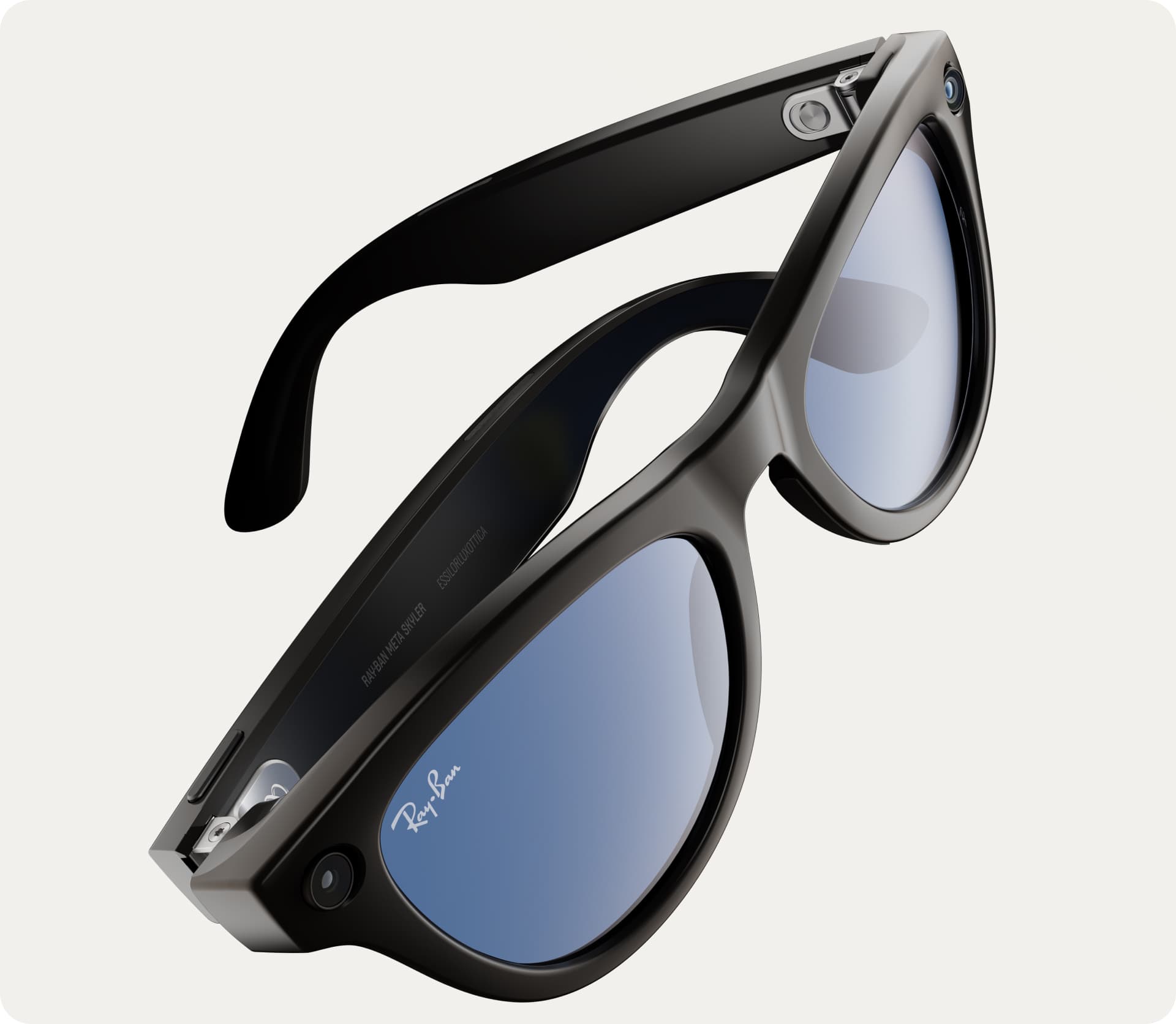
Meta Ray-Ban ($379) — Available Now
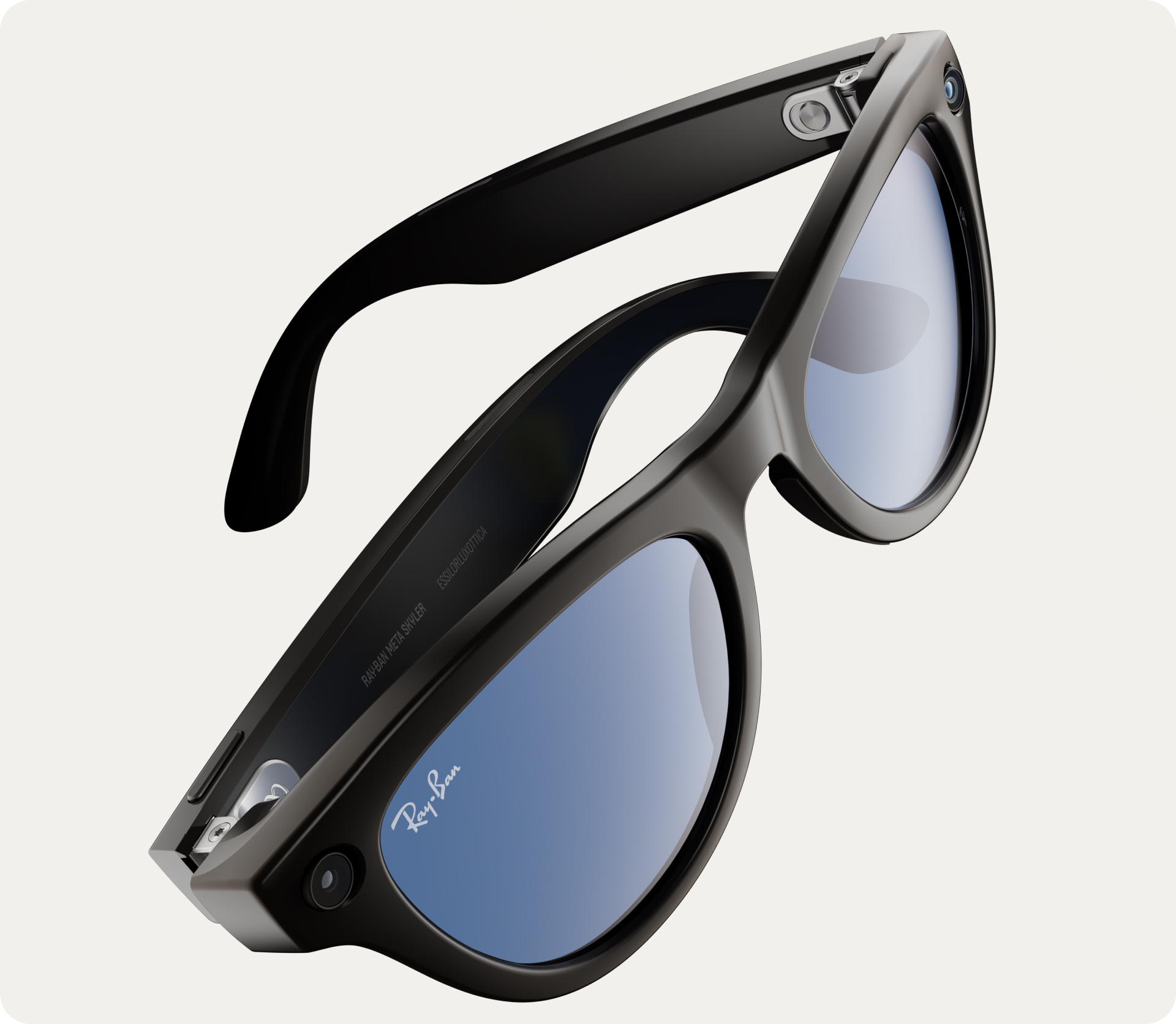
The Meta Ray-Banremains the most feature-complete smart glasses you can buy today. The 12MP ultra-wide camera shoots photos and 1080p video, Meta AI answers questions about what you're looking at, and live translation works in real time. Audio quality is surprisingly good for open-ear speakers, and battery lasts about 4 hours of active use with the charging case providing multiple refills.
Privacy trade-off: Meta collects data through the Meta AI app. The recording LED is small and can be hard to spot from across a room. Meta recently updated privacy light behaviorafter criticism, but the fundamental tension remains — cameras are always present even when not recording.
Samsung Galaxy Glasses ($379–$499 est.) — Fall 2026
Samsung's Galaxy Glasses are the first Android XR-powered smart glasses from a major manufacturer. They feature a 12MP camera, Qualcomm Snapdragon AR1 chip, and deep integration with Google Gemini for navigation, translation, and contextual AI. The unique selling point is gesture control via Galaxy Watch and Galaxy Ring— tilt your wrist or tap your ring to interact without touching the frames.
Ecosystem advantage: If you already own a Galaxy Watch and Galaxy Ring, the glasses become part of a unified wearable system. Samsung is still finalizing pricing, reportedly waiting to see Meta's next move at Connect before setting the final number.
Apple Smart Glasses ($600–$700 est.) — Late 2027
Apple's N50 smart glasseswon't arrive until late 2027, but Bloomberg's July 26 report reveals the company's strategy. Privacy is the core pitch: on-device AI processing, no facial recognition, no customer data used for AI training. Apple has prototyped glasses without cameras entirely and may ship a model where cameras assist AI but cannot record photos or video.
Ecosystem advantage:Seamless integration with iPhone, Apple Watch, and AirPods. If Apple's glasses work as well as AirPods do with iPhone, the convenience factor could be decisive for Apple ecosystem buyers.
Even Realities G2 ($599) — Available Now
The Even Realities G2 deserves mention as the only camera-free smart glasses with a display. A 1,200-nit heads-up display shows notifications, navigation, and AI responses without any camera recording. Users average 8–10 hours of daily wear — far exceeding Meta Ray-Ban's typical 2–3 hour sessions. Danish-designed frames look like regular prescription glasses.
Which Smart Glasses Ecosystem Should You Choose?
Your choice depends on three factors: privacy tolerance, ecosystem, and timeline.
Choose Meta Ray-Ban if: You want the best smart glasses available today, you prioritize camera quality and AI visual features, and you're comfortable with Meta's privacy practices. At $379, they're also the best value.
Choose Samsung Galaxy Glasses if:You're already in Samsung's ecosystem with a Galaxy Watch and Galaxy Ring, you want Gemini AI integration, and you can wait until fall 2026. The gesture control via watch and ring is a genuine differentiator.
Choose Even Realities G2 if:Privacy is non-negotiable, you want a display for notifications and AI responses, and you prefer glasses that look completely normal. At $599, it's the premium privacy option.
Wait for Apple if:You're deep in the Apple ecosystem, privacy is your top priority, and you can wait until late 2027. Apple's integration with iPhone, Watch, and AirPods could create the most seamless experience — but that's 16 months away.
What Happens Next: Key Dates to Watch
- Fall 2026: Samsung Galaxy Glasses launch. Final pricing and availability confirmed.
- September 23–24, 2026: Meta Connect 2026. New smart glasses reveal expected. Zuckerberg already teased mystery glasses on social media.
- September 2026: Apple Watch Series 12 and iPhone 18 Pro launch. No smart glasses yet.
- June 2027: Apple WWDC 2027 — smart glasses reveal expected.
- Late 2027: Apple smart glasses shipping to consumers.
Our bottom line: The smart glasses market is splitting along privacy lines, and that's good for buyers. If you want cameras and AI today, Meta Ray-Ban is excellent at $379. If you want privacy and a display, Even Realities G2 at $599 is the pick. Samsung Galaxy Glasses offer the best ecosystem play this fall. And Apple's privacy-first approach could redefine the category — but you'll wait until late 2027 to find out. Compare all options in our smart glasses guide.
Related Articles
- Apple Smart Glasses No-Camera Prototype: Should You Wait?
- Meta Connect 2026 Preview: What to Expect
- Camera-Free vs Camera Smart Glasses: Which to Buy?
- Meta Ray-Ban Smart Glasses Full Review
- Meta Ray-Ban Price Tracker
Frequently Asked Questions
Which smart glasses have the best privacy in 2026?
Even Realities G2 ($599) is the best privacy-focused smart glasses available today — it has no camera at all, just a heads-up display and microphones. Apple's upcoming glasses (late 2027) will also prioritize privacy with potential no-camera or limited-camera designs. Among camera-equipped options, Meta Ray-Ban has a recording indicator LED but has faced criticism for its privacy approach.
Can I buy smart glasses without a camera?
Yes. Even Realities G2 ($599) offers a heads-up display, speakers, and Bluetooth connectivity without any camera. It's popular among professionals who want information at a glance without recording their surroundings. Bose Frames also offer audio-only smart glasses without cameras.
When will Samsung Galaxy Glasses be available?
Samsung announced Galaxy Glasses at Galaxy Unpacked on July 22, 2026, with a fall 2026 launch confirmed. No specific date or final price has been announced. The glasses feature a 12MP camera, Qualcomm Snapdragon AR1, Gemini AI, and gesture control via Galaxy Watch and Galaxy Ring.
Are Meta Ray-Ban smart glasses safe for privacy?
Meta Ray-Ban smart glasses have a small LED that lights up when recording, but it can be difficult for others to notice. Meta collects data through the Meta AI app and has faced criticism for its privacy practices. If privacy is your top concern, consider Even Realities G2 (no camera) or wait for Apple's privacy-focused glasses in late 2027.
What smart glasses should I buy right now in 2026?
For the best all-around experience with AI and camera: Meta Ray-Ban ($379). For privacy with a display and no camera: Even Realities G2 ($599). For budget AR: Rokid Max ($270). If you're in Samsung's ecosystem, wait for Galaxy Glasses this fall. If privacy is paramount and you can wait, Apple's glasses arrive late 2027.