AI Wearables Privacy Guide 2026: What Meta, Samsung, and Amazon Devices Actually Record
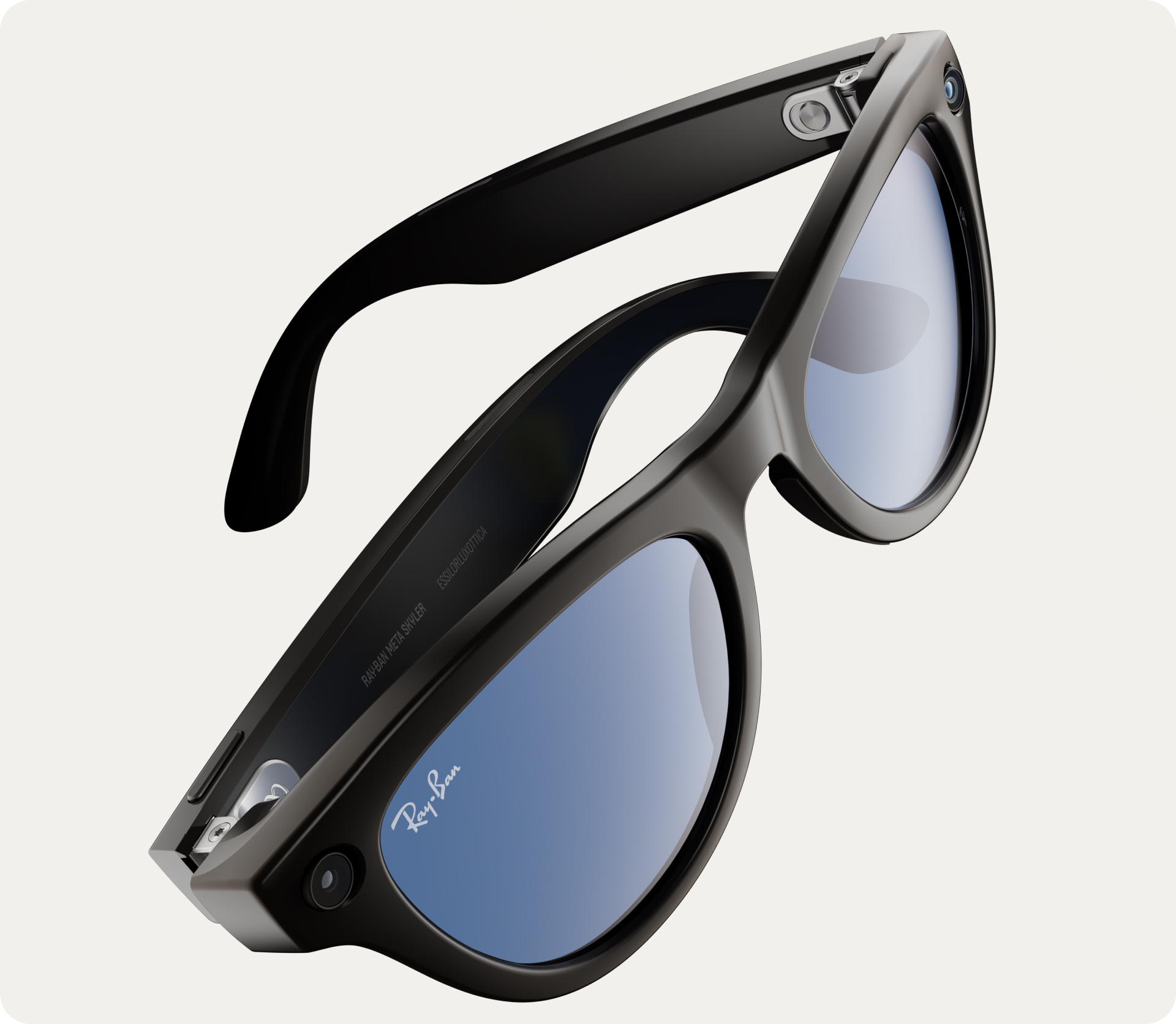
A CNN investigation published this week laid bare a truth the wearable industry would prefer you not to think about: AI wearables that see, listen, and record are already everywhere— in offices, on sidewalks, in gyms, and on public transit. Over 10 million Meta Ray-Ban glasses have shipped. Samsung just launched Galaxy Glasses with a 12MP camera. Amazon's Bee Pioneer records your conversations from your wrist. And most bystanders have no idea any of it is happening.
The Problem
AI wearables work best with constant access to your environment. That means everyone around you is being recorded too.
Who It Affects
Anyone considering smart glasses, AI recorders, or wearables with cameras and microphones — and anyone around them.
Our Take
Know exactly what your device records before you buy. Camera-free options exist. Privacy controls vary wildly between brands.
What Does Each AI Wearable Actually Record?
Not all AI wearables are equal when it comes to privacy. Here's exactly what the most popular devices capture, store, and share.
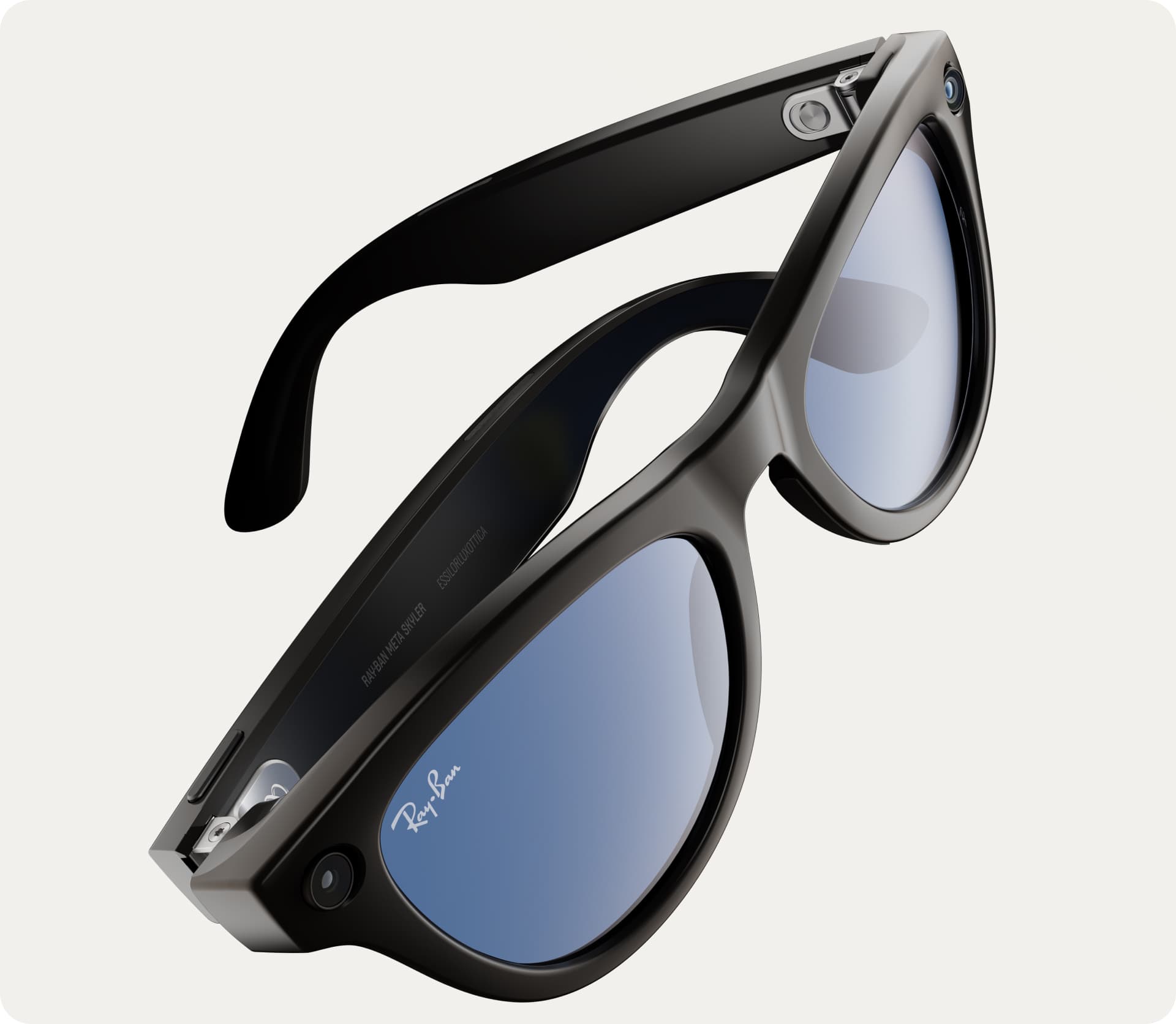
Meta Ray-Ban Smart Glasses — Camera + Microphone + Live Streaming
The Meta Ray-Ban glassesare the most widely deployed AI wearable with cameras. Here's what they can do:
- Camera: 12MP ultra-wide camera captures photos and 1080p video up to 3 minutes per clip
- Microphone: Five-microphone array captures voice commands and ambient audio
- Live streaming: Can stream directly to Instagram and Facebook Live
- AI processing: Meta AI can identify objects, read text, translate languages, and estimate calories in food — all using the camera feed
- Privacy indicator: Small white LED illuminates during recording (mandatory after July 2026 update)
- Data storage: Photos and videos stored on-device and synced to the Meta View app. Meta says it does not use customer recordings to train AI models.
Samsung Galaxy Glasses — Camera + Gemini AI + Gesture Controls
Samsung's Galaxy Glasses, unveiled at Unpacked on July 22, bring Google's Gemini AI to eyewear:
- Camera: 12MP camera confirmed, powered by Qualcomm Snapdragon AR1 Gen 1
- AI assistant: Google Gemini processes what the camera sees for real-time information
- Microphone: Open-ear audio system with voice command support
- Privacy policy: Neither Samsung nor Google has published a policy governing what Gemini does with captured footage
- Indicator light: Present, but design details not fully disclosed
The missing privacy policy is the biggest red flag. Until Samsung and Google clarify how Gemini handles visual data from the glasses, buyers should treat the Galaxy Glasses as having unclear data practices.
Amazon Bee Pioneer — Always-On Audio Wristband
Amazon acquired AI wearable startup Bee in 2026, and the Bee Pioneer represents a different kind of privacy concern — continuous audio monitoring:
- Microphone: Listens to conversations and provides real-time AI-powered advice and summaries
- Form factor: Small wristband — extremely discreet, hard for others to notice
- Data processing: Amazon says audio is processed on-device or deleted after analysis, but the specifics remain unclear
- No camera: Audio-only device
Even Realities G2 — The Camera-Free Alternative
The Even Realities G2 is the leading privacy-first smart glasses option:
- No camera at all: Zero visual recording capability
- Microphone: Used for voice commands and AI interaction only — no ambient recording
- AI features: Notifications, navigation, translation — all through audio and a micro-LED display
- Privacy advantage: No one around you is being recorded visually
Where Are AI Wearables Being Banned?
The regulatory response to AI wearables is just beginning, but the first bans are already here:
- New York courthouses: As of July 20, 2026, recording-capable eyewear is banned from every court facility in the state — covering 62+ counties
- European workplaces: GDPR gives employees the right to object to continuous recording in workplaces. Several EU companies have banned AI wearables in meetings.
- US two-party consent states: In states like California, Illinois, and Florida, recording a conversation without all parties' consent is illegal — AI wearables don't automatically get an exemption
Which Brands Have the Best Privacy Protections?
Our earlier EFF privacy report analysisfound that only Apple and Google earned high marks for transparency. Here's how the AI wearable-specific privacy landscape looks:
- Apple (upcoming glasses): Prototyping no-camera glasses and developing new privacy features — best stated intentions, but 16+ months from launch
- Meta: Added mandatory privacy LED and camera-kill toggle after public pressure. Still allows live streaming to Instagram. Removed facial recognition after backlash.
- Samsung: No published privacy policy for Galaxy Glasses and Gemini AI data handling. Biggest unknown.
- Even Realities: No camera = no visual recording concern. Simplest privacy story.
What Should Privacy-Conscious Buyers Do?
If privacy matters to you — either your own or the privacy of people around you — here's our recommendation:
Want AI features without a camera?The Even Realities G2 at $599 is the best option today. Apple's camera-free prototype suggests more options are coming in 2027, but nothing is available yet.
Want a camera but care about controls? Meta Ray-Ban ($379) has the most mature privacy controls after multiple update cycles. The mandatory LED and camera-kill toggle are real improvements. Samsung Galaxy Glasses need to publish a clear privacy policy before we can recommend them.
Worried about being recorded by others? Learn what the privacy indicators look like on Meta Ray-Ban (small white LED near the right temple) and Samsung Galaxy Glasses (indicator near the camera lens). In workplaces, ask your employer about their AI wearable policy.
Compare all smart glasses options in our smart glasses buying guide and use our comparison tool to filter by privacy features.
Related Articles
- Smart Glasses Privacy vs Cameras: Apple, Meta, and Samsung Take Three Different Paths
- EFF Wearable Privacy Report: Which Brands Protect Your Data?
- Meta Ray-Ban Facial Recognition: Privacy Guide
- New York Bans Smart Glasses From All Courthouses
- All Smart Glasses Compared
Frequently Asked Questions
Can Meta Ray-Ban smart glasses record without you knowing?
Meta Ray-Ban glasses have a small white LED that illuminates when the camera is recording. However, the LED is small and can be difficult to notice from a distance or in bright sunlight. Meta's July 2026 update made the privacy LED brighter and added a mandatory camera-kill toggle, but bystanders still may not realize they're being recorded.
Do Samsung Galaxy Glasses have a camera?
Yes. Samsung Galaxy Glasses feature a 12MP camera powered by Google Gemini AI. Samsung has not published a detailed privacy policy for what Gemini does with captured footage, though the glasses include an indicator light when the camera is active.
Which smart glasses don't have cameras?
The Even Realities G2 ($599) is the leading camera-free smart glasses option. It offers AI features through microphones and speakers only — no camera, no recording. Apple's upcoming smart glasses (targeting WWDC 2027) are also being prototyped without cameras as a privacy-first strategy.
Is Amazon Bee Pioneer always listening?
The Amazon Bee Pioneer uses its microphone to listen to conversations and provide AI-powered advice. It records audio clips that are processed by AI, though Amazon says recordings are processed on-device or deleted after analysis. The key concern is that it can be worn discreetly on the wrist, making it hard for others to know they're being recorded.
Are AI wearables legal to use in public?
In most US states, recording in public spaces is legal. However, some states require two-party consent for audio recording in private settings. New York banned recording-capable eyewear from all courthouses in July 2026. Workplace policies also vary — check your employer's recording policy before wearing AI wearables to work.