New York Bans Smart Glasses in All 1,240 Courthouses: What Every Owner Needs to Know
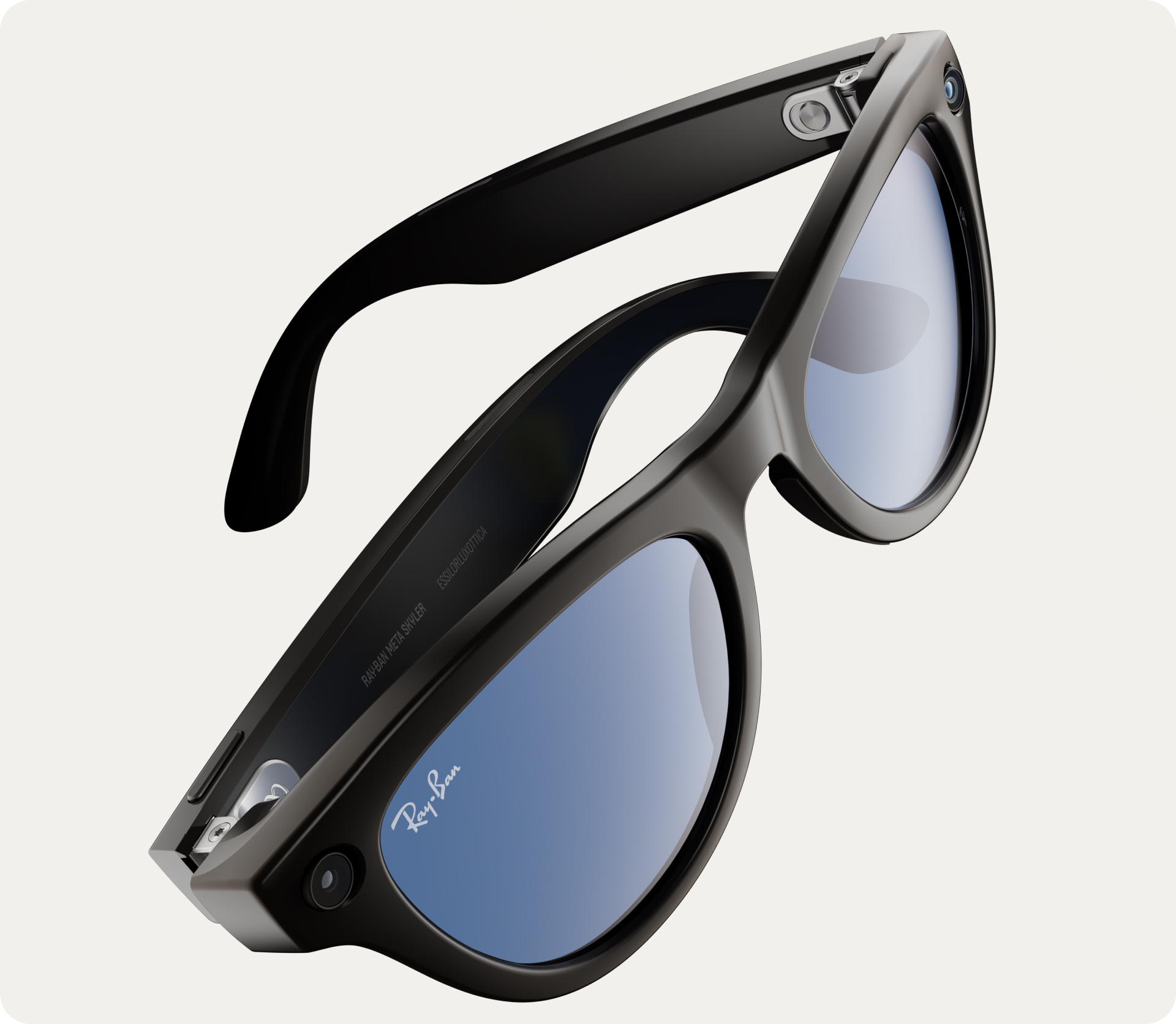
Starting July 20, 2026, you cannot walk into any courthouse in New York State wearing smart glasses. The New York State Unified Court System has issued the first statewide ban on camera-equipped eyewear — covering all 1,240 state, county, city, town, and village courts. If you own Meta Ray-Banor any smart glasses with a camera, here's what you need to know and what it signals about the future of wearing smart glasses in public spaces.
The Ban
All camera-equipped eyewear and headwear banned from every New York courthouse, effective July 20. Even prescription smart glasses are included.
The Trigger
Zuckerberg's team wore Meta Ray-Bans into a February courtroom during his testimony — prompting a judge's warning and this statewide response.
What to Do
Bring regular glasses as backup. Court officers will hold smart glasses. Camera-free glasses may avoid the ban.
What Exactly Is Banned and Where?
The ban covers all eyewear and headwear containing an audio or video recording device. That includes:
- Meta Ray-Ban and Meta Glasses (all models)
- Samsung Galaxy Glasses (when they ship this fall)
- Snap Spectacles and any camera-equipped AR glasses
- Prescription smart glasses — even if they're your only pair
- Any future smart eyewear with recording capability
The prohibition applies to all 1,240 courtsin the New York State Unified Court System: Supreme Court, Criminal Court, Family Court, Surrogate's Court, city courts, town courts, and village courts across every county. Signs are being posted at courthouse entrances ahead of the July 20 effective date.
What Happens If You Show Up Wearing Smart Glasses?
You will be asked to surrender your smart glasses to uniformed court officers, who will hold them for safekeeping while you're inside. You are not turned away from the courthouse — just from wearing the glasses inside. The ban cites New York's Civil Rights Law, which prohibits surreptitious recording of court proceedings, as its legal foundation.
If smart glasses are your only prescription eyewear, this creates a practical problem. The court's guidance is blunt: bring a regular pair of glasses. For people who rely on smart glasses daily, this means carrying backup frames — an inconvenience that underscores the tension between wearable technology adoption and institutional trust.
Why Did the Zuckerberg Testimony Trigger This Ban?
In February 2026, Meta CEO Mark Zuckerberg testified in a high-profile jury trial over social media addiction. When his entourage escorted him into the courtroom, several team members were wearing Meta Ray-Ban smart glasses. The presiding judge noticed immediately and issued a warning that recording courtroom proceedings was prohibited.
The incident crystallized a problem courts had been quietly worrying about: unlike a phone or a traditional camera, smart glasses are invisible recorders. The small privacy LED on Meta Ray-Ban is easy to miss, especially in a busy courtroom. A person could record testimony, sidebar conversations, juror faces, or witness identities without anyone realizing it. The Zuckerberg incident wasn't a recording violation — it was a demonstration of how easily one could be.
Will Other States and Institutions Follow New York's Lead?
Almost certainly. Individual courthouses in other states already prohibit recording devices, but New York is the first to issue a unified statewide policy specifically naming smart glasses. The template is now established, and other state court systems can adopt similar language with minimal legal groundwork.
Beyond courts, this ban signals a broader trend. As smart glasses become more common — with Samsung entering the market this fall and Meta reportedly developing always-on “super sensing” glasses — expect bans to extend to other sensitive environments. Schools, hospitals, therapy offices, government buildings, and private businesses all have legitimate reasons to prohibit invisible recording devices.
The EU is already examining smart glasses under GDPR, with always-on capture facing particularly strict scrutiny around consent and data retention. If Meta ships super sensing without a privacy LED, European regulators are expected to respond aggressively.
Do Camera-Free Smart Glasses Avoid the Ban?
This is the most interesting edge case. The New York ban targets eyewear containing audio or video recording devices. Camera-free smart glasses like the Even Realities G2have no camera but do include microphones for voice commands. Whether this counts as a “recording device” under the ban's language is currently ambiguous.
In practice, camera-free glasses are designed for information display— notifications, navigation, teleprompter text — not for capturing what's around you. A court officer is unlikely to distinguish between an Even G2 and ordinary prescription frames at a glance, since the G2 is specifically designed to look like regular eyewear at 36 grams. But we'd recommend contacting the specific courthouse if you plan to rely on camera-free smart glasses inside.
For buyers who frequently visit courthouses or other restricted environments, camera-free smart glasses are the regulatory-proof choice. The Even Realities G2 at $599 offers the broadest daily-wearable feature set without any camera. See our camera-free vs camera smart glasses comparison for a full breakdown.
What Should Smart Glasses Buyers Consider Going Forward?
The New York ban is a data point, not an aberration. As smart glasses go mainstream — Meta has shipped over 10 millionunits — friction with institutions is inevitable. Here's how to factor this into your buying decision:
- Camera glasses: The Meta Ray-Ban at $379 and upcoming Samsung Galaxy Glasses are still the best all-around smart glasses — but accept that you'll increasingly need to remove them in certain spaces. Carry backup frames.
- Camera-free glasses: The Even Realities G2 at $599 gives you the heads-up display, navigation, and notification features without any recording capability. It's the choice if you want smart glasses you can wear literally everywhere.
- Privacy-first cameras: Samsung's dual-LED approach (inner + outer indicators) at least signals a design commitment to transparency. If you want a camera and care about social perception, wait for the Galaxy Glasses reveal on July 22.
Compare all camera-equipped and camera-free options in our smart glasses guide.
Related Articles
Courthouse Ban FAQ
Common questions about the New York smart glasses ban
Quick answers for smart glasses owners visiting New York courthouses.
When does the New York smart glasses ban take effect?
The ban takes effect on July 20, 2026. After that date, no smart glasses or camera-equipped eyewear will be allowed inside any of New York's 1,240 state, county, city, town, and village courthouses. Signs are being posted at courthouse entrances.
Can I wear prescription smart glasses in New York courthouses?
No. The ban applies to all smart glasses, including those with prescription lenses. If you rely on prescription smart glasses like Meta Ray-Ban with Rx lenses, you must bring a separate pair of regular prescription glasses to wear inside the courthouse. Court officers will hold your smart glasses for safekeeping.
Does the New York ban affect camera-free smart glasses like Even Realities G2?
The ban specifically targets eyewear and headwear containing audio or video recording devices. Camera-free smart glasses that only feature a display — like the Even Realities G2 — exist in a gray area. The G2 has microphones for voice commands but no camera. We recommend contacting the specific courthouse before relying on a camera-free device for entry.
Will other states follow New York's smart glasses courthouse ban?
Privacy advocates and legal experts expect other states to follow New York's lead, especially as Meta's reports of always-on 'super sensing' glasses intensify privacy concerns. Individual courthouses in other states already prohibit recording devices, but New York is the first to issue a unified statewide ban specifically naming smart glasses.
What triggered the New York smart glasses courthouse ban?
The ban follows a February 2026 incident where Meta CEO Mark Zuckerberg testified in a jury trial over social media addiction, and members of his team wore Meta Ray-Ban glasses into the courtroom. The presiding judge issued a warning not to record proceedings. The incident highlighted how easily smart glasses could enable surreptitious recording in protected settings.