Meta's Super Sensing Glasses Could Record Everything You See — What Smart Glasses Buyers Should Know
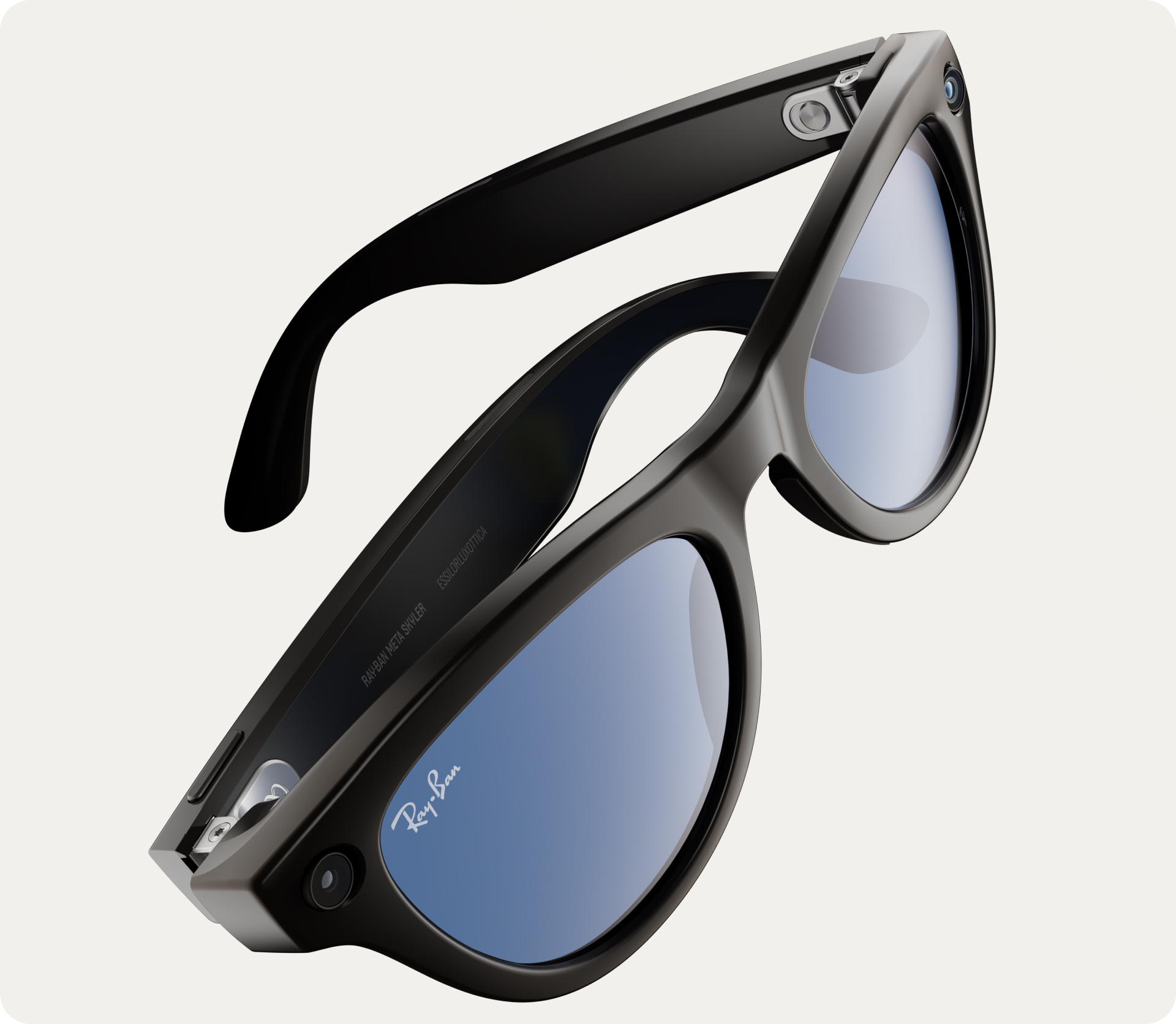
A Financial Times investigation has revealed Meta's most ambitious — and most controversial — smart glasses project yet: prototype glasses that continuously snap photos and record audio all day, with the privacy LED intentionally turned off. The project, codenamed Aperol and Bellini, redefines what smart glasses could become — and raises urgent questions about what they shouldbecome. Here's what buyers need to understand before the smart glasses market shifts beneath them.
The Story
Meta is prototyping “super sensing” glasses that capture images every few seconds and record audio all day — with the privacy LED intentionally kept off.
Why It Matters
It contradicts Meta's own v26 update that kills the camera when the LED is tampered with — and it arrives as New York just banned smart glasses from all courthouses.
What to Do Now
Current Meta Ray-Ban owners are not affected yet. Buyers should weigh privacy carefully before choosing their next glasses.
What Is Meta Super Sensing and How Does It Work?
Super sensing is Meta's prototype for always-on ambient computing through smart glasses. Unlike the current Meta Ray-Ban, which only captures when you explicitly press the shutter button, super sensing runs as a continuous background process. The glasses snap a photo every few seconds and record audio throughout the day, building a running log of the wearer's surroundings.
The raw footage isn't stored or made available to the user. Instead, metadata is extractedfrom the images and audio, then uploaded to Meta's servers where the AI can query it. The result is a context-aware assistant that knows what you've seen, heard, and done — capable of answering questions like “Where did I leave my keys?” or “What did that person say their email was?”
Two prototype form factors are in development: Aperol in a sunglasses configuration and Bellini in a prescription frame. The target launch window is late 2026 to early 2027, and the report suggests the feature could potentially be delivered to existing Meta glasses via a software update.
Why Is the Privacy LED Being Turned Off So Controversial?
The single most explosive detail in the report is Meta's plan to keep the privacy LED dark during super sensing. The company's internal logic is that super sensing is an “AI feature” — not active recording — and therefore doesn't require the LED that signals bystanders they're being captured.
This creates a direct contradiction with Meta's own actions. Just days before this report, Meta rolled out a mandatory v26 firmware update that permanently disables the cameraif the privacy LED is physically tampered with — closing a loophole where users drilled out the LED to record secretly. The company simultaneously moved to remove ads for LED-tampering services. To enforce the LED with hardware-level checks on one product while planning to disable it on the next sends a deeply mixed message about Meta's privacy commitments.
Privacy advocates argue that whether data is stored as raw video or extracted as metadata is irrelevant to the person being recorded without consent. The LED exists precisely because bystanders cannot consent to what they cannot see. Turning it off transforms smart glasses from a device that records on command into one that surveils continuously — and invisibly.
How Are Regulators and the Public Responding?
The timing of this report could not be worse for Meta. In the same week, New York became the first US state to ban smart glasses from all 1,240 courthouses, effective July 20. The New York ban applies to any eyewear with cameras or microphones — even prescription smart glasses — and requires visitors to surrender devices to court officers. The catalyst was Meta CEO Mark Zuckerberg's February testimony where his team wore Ray-Ban Meta glasses inside the courtroom, prompting a judicial warning.
Read our full coverage of the New York courthouse ban and what it means for owners.
Beyond courthouses, the super sensing report is accelerating broader conversations about smart glasses regulation. The EU is already scrutinizing camera-equipped eyewear under GDPR, and the concept of always-on recording without visible indicators is likely to draw explicit regulatory attention in multiple jurisdictions. For Meta, the business calculation is whether the AI utility of super sensing is worth the regulatory and reputational risk.
How Does This Affect Current Meta Ray-Ban Owners?
If you already own Meta Ray-Ban glasses, nothing changes right now. Your glasses still work exactly as before, with the v26 update actually strengthening the privacy LED enforcement. Super sensing is at prototype stage and months from any consumer rollout.
The more interesting question is whether Meta will attempt to bring super sensing to existing glasses via a software update. The hardware is technically capable — the camera and microphones needed for continuous capture are already present. But the public and regulatory backlash may be severe enough that Meta limits the feature to new hardware with redesigned privacy controls, or modifies the LED behavior before launch.
What Should Smart Glasses Buyers Do Right Now?
The super sensing report reshuffles the competitive landscape heading into a critical period for smart glasses. Here's how to think about your options:
- If privacy is your top concern: Samsung's upcoming Galaxy Glasses feature dual privacy LEDs (inside and outside the frame) and launch with Android XR rather than Meta's ecosystem. Wait for Unpacked on July 22 for final pricing and details.
- If you want no camera at all: The Even Realities G2 at $599 offers a heads-up display, notifications, and navigation without any recording capability. You'll never be asked to remove them at a courthouse.
- If you want smart glasses today and aren't worried: The Meta Ray-Ban at $379 remains the best-value camera-equipped smart glasses. Super sensing is months away, and you can choose whether to enable it when — or if — it arrives.
Compare all current options — camera-equipped and camera-free — in our smart glasses guide, and see the latest deals on our comparison page.
Related Articles
- Meta Ray-Ban Privacy Light Update: What Changed and Who Should Care
- New York Bans Smart Glasses in All Courthouses: What Owners Should Know
- Samsung Galaxy Glasses Controls Leaked: What Buyers Should Know
- Camera-Free vs Camera Smart Glasses: Which Should You Buy?
- Meta Ray-Ban Privacy Concerns: What You Need to Know
Super Sensing FAQ
Common questions about Meta's always-on smart glasses
Quick answers to help you understand what super sensing means and what to do about it.
What is Meta super sensing on smart glasses?
Super sensing is a prototype feature for Meta smart glasses that continuously captures photos every few seconds and records audio all day. The data is processed by Meta AI to build a contextual understanding of the wearer's life, enabling questions like 'Where did I leave my keys?' or 'What was that restaurant called?' Raw footage is not stored — only extracted metadata is uploaded to Meta's servers.
Will Meta super sensing glasses have a privacy LED?
According to a Financial Times report, Meta executives plan to keep the privacy LED turned off during super sensing mode. The internal reasoning is that super sensing qualifies as an 'AI feature' rather than active recording. This is highly controversial because it removes the only visible cue available to bystanders, and it contradicts Meta's own mandatory v26 update that disables the camera when the LED is tampered with.
Can super sensing be added to existing Meta Ray-Ban glasses?
The report suggests super sensing could potentially be activated on existing Meta smart glasses via a software update, since the necessary hardware (camera and microphones) is already present. However, public backlash and potential regulatory action may delay or reshape the feature before any rollout.
What are alternatives to Meta smart glasses for privacy-conscious buyers?
Samsung Galaxy Glasses (launching Fall 2026) feature dual privacy LEDs on both the inside and outside of the frame. For buyers who want no camera at all, the Even Realities G2 at $599 offers a heads-up display without any recording capability. Camera-free smart glasses avoid privacy concerns entirely and are not affected by bans like New York's courthouse prohibition.
When will Meta super sensing glasses be available?
The prototypes, codenamed Aperol (sunglasses) and Bellini (prescription), are targeting late 2026 to early 2027. However, the significant privacy backlash and growing regulatory attention — including New York's statewide courthouse ban on smart glasses — could delay the launch or force Meta to modify the feature.