Smart Glasses Sales Doubled in Q2 2026: What EssilorLuxottica's Results Mean for Buyers
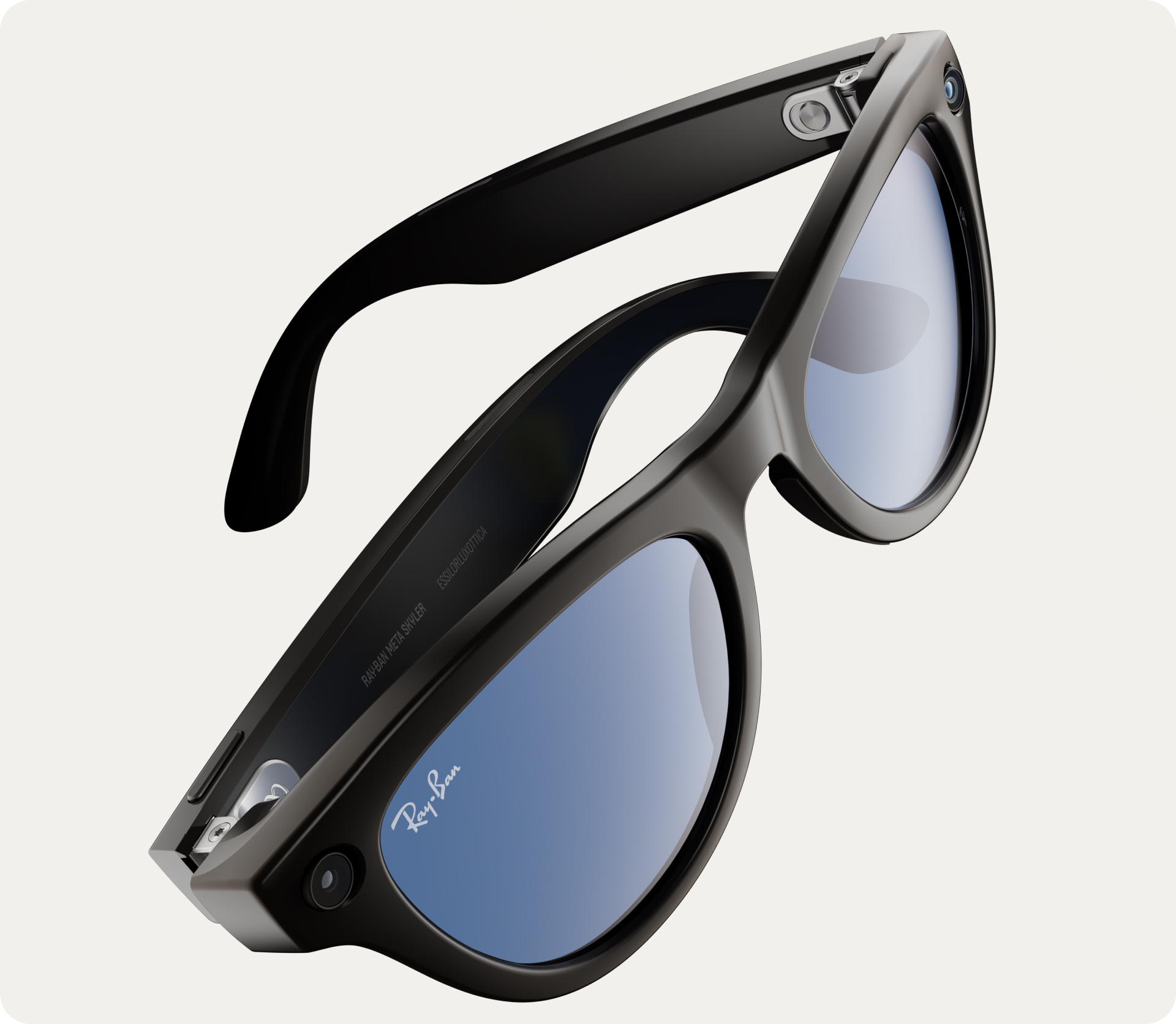
EssilorLuxottica's Q2 2026 earnings report dropped a headline number that confirms what the industry has been feeling all year: AI smart glasses revenue nearly doubled year-over-year. The Ray-Ban Meta and Oakley Meta lineups have now topped 7 million units sold, the total smart glasses market grew 233% to $436 million, and Meta holds over 69% market share. These aren't niche gadget numbers anymore — smart glasses are becoming a mainstream consumer electronics category. Here's what that means if you're thinking about buying a pair.
Revenue Growth
AI glasses revenue nearly 2x year-over-year. H1 2026 total revenue €14.8B, adj. operating profit +15%.
Market Share
Meta holds 69%+ of smart glasses market. Samsung, Chinese brands growing fast. Total market: $436M.
Buyer Impact
More competition = better prices ahead. Buy Ray-Ban Meta now at $379 or wait for Samsung/Meta Connect reveals.
What Do EssilorLuxottica's Numbers Actually Tell Us?
EssilorLuxottica — the parent company behind Ray-Ban, Oakley, and dozens of other eyewear brands — posted H1 2026 revenue of €14,818 million, up 9.7% at constant exchange rates. That's their third consecutive quarter of double-digit growth. Adjusted operating profit climbed 15%, and free cash flow hit €1.07 billion, the best half-year figure in five years.
But the standout number is smart glasses. Revenue from the Ray-Ban Meta and Oakley Meta lineups nearly doubled compared to Q2 2025. U.S. research firm Circana puts the entire smart glasses category at $436 million in annual revenue through May 2026 — a staggering 233% increase. And Meta isn't just growing with the market; they're dominating it, with 69%+ market share according to IDC.
Why Are Smart Glasses Suddenly Selling So Well?
Three factors are converging. First, AI made smart glasses useful. The Muse Spark AI model that shipped this summer transformed Meta's glasses from a camera-with-speakers into a genuine AI assistant that can identify objects, translate text, and answer contextual questions about what you're seeing.
Second, they finally look normal. The Ray-Ban Meta is genuinely indistinguishable from regular Ray-Ban sunglasses to most people, which solves the social acceptability problem that killed Google Glass a decade ago.
Third, pricing hit the sweet spot. At $379 on Amazon, the Ray-Ban Meta costs less than an Apple Watch Ultra 3 or a pair of AirPods Max 2. For a device you wear on your face all day, that's crossed the impulse-buy threshold for many consumers.
What Does This Mean for Smart Glasses Competition?
Meta's dominance is about to face real competition for the first time. Samsung Galaxy Glasses are confirmed for fall 2026 at $379–$499, running Google's Android XR with Gemini AI integration. Chinese brands — led by Rokid, XREAL, and Even Realities — already control nearly 80% of global smart glasses brands and are rapidly scaling production.
And Meta itself is expanding. The company teased new smart glasses at Meta Connect on September 23, likely including next-generation models. CEO Mark Zuckerberg has made clear that smart glasses are Meta's highest-priority hardware bet, with a goal of 10 million wearables shipped this year.
EssilorLuxottica is also investing in waveguide display manufacturing, which would enable future Ray-Ban glasses with built-in screens — moving beyond the current Display model's $799 price point toward mass-market display glasses.
Should You Buy Smart Glasses Now or Wait?
Buy now if: You want smart glasses today and value a proven, mature product. The Ray-Ban Meta at $379 is the best overall smart glasses available right now — it has the strongest AI, the best design, and the widest app ecosystem. The recent Muse Spark AI upgrade made it significantly more useful than when it launched.
Wait if: You're willing to be patient for two months. Meta Connect (September 23) will likely reveal next-gen glasses, and Samsung Galaxy Glasses should have firm pricing and availability by then. More options means better deals on current models too — the Ray-Ban Meta could see its first real discounts once Samsung enters the market.
The privacy factor: If camera privacy concerns weigh on your decision, know that Meta has strengthened its recording indicator requirements and removed facial recognition features. For camera-free alternatives, the Even Realities G2 offers AI and notifications without a camera. See our full smart glasses comparison.
Related Articles
Smart Glasses Market FAQ
Common questions about smart glasses sales and the market in 2026
Quick answers to help you understand what doubling smart glasses sales means for your buying decision.
How many Ray-Ban Meta smart glasses have been sold?
EssilorLuxottica reported that the Ray-Ban Meta and Oakley Meta lineups have topped 7 million units sold as of Q2 2026. Meta holds over 69% of the smart glasses market according to IDC.
Will smart glasses get cheaper in 2026?
Not immediately, but competition is increasing. Samsung Galaxy Glasses launching this fall at $379-$499 will pressure Meta on pricing. The Ray-Ban Meta currently starts at $379 on Amazon, down from its $459 retail price.
What is the best smart glasses to buy right now in 2026?
The Ray-Ban Meta at $379 remains the best overall pick for most buyers, offering the most mature AI assistant, the widest app ecosystem, and the most stylish design. Samsung Galaxy Glasses launching this fall will be the first serious competitor.
How big is the smart glasses market in 2026?
U.S. research firm Circana estimates the smart glasses market grew 233% to approximately $436 million in the twelve months through May 2026. IDC forecasts Chinese manufacturers alone will ship 22.67 million AI glasses units worldwide in 2026.
Should I wait for next-gen smart glasses or buy now?
If you want smart glasses today, the Ray-Ban Meta is the safe choice at $379. Meta Connect on September 23 will likely reveal next-gen models, and Samsung Galaxy Glasses arrive this fall. Waiting two months could give you more options, but the current Ray-Ban Meta is a proven product.