Snap Specs vs Android XR vs Meta Ray-Ban Gen 3: Which Smart Glasses Should You Buy in October 2026?
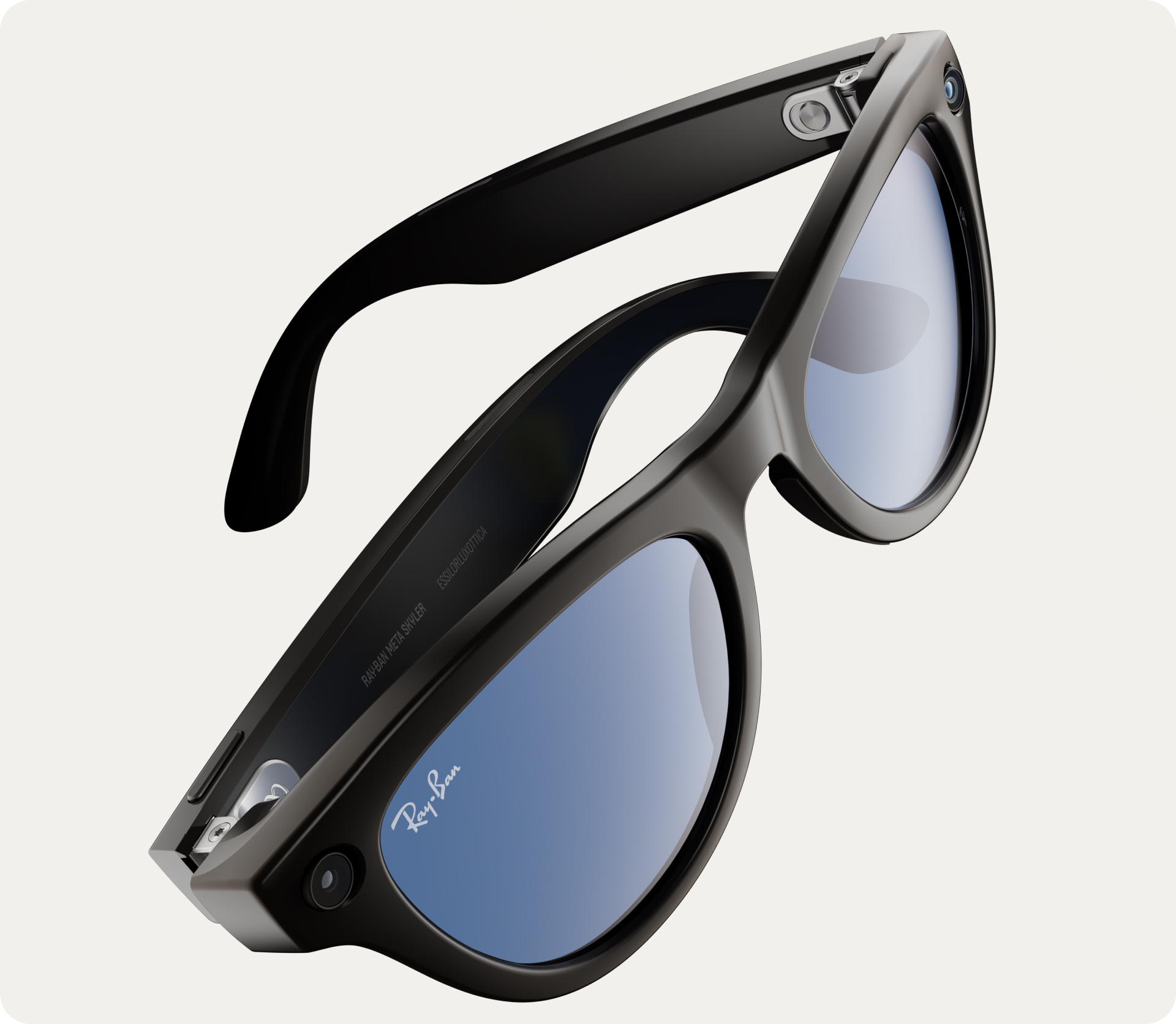
October 2026 is the most crowded month for smart glasses in history. Snap Specs are shipping to first pre-order customers this month. Warby Parker Android XR glasses go on sale October 14. And Meta Ray-Ban Gen 3 has been available since September 23. Three glasses, three price points ($449 to $2,195), three entirely different visions of what smart glasses should be. Here's how to choose.
Best Value
Meta Ray-Ban Gen 3 at $449 — camera, AI, 9-hour battery, multiple frame styles.
Best Display
Snap Specs at $2,195 — 51° binocular AR display, standalone compute, true spatial AR.
Best Ecosystem
Warby Parker Android XR at $799 — Google Gemini AI, Android app ecosystem, prescription option.
How Do the Specs Compare Side by Side?
| Feature | Snap Specs ($2,195) | Android XR ($799) | Ray-Ban Meta Gen 3 ($449) |
|---|---|---|---|
| Display | 51° binocular AR | 30° monocular | None |
| Camera | Yes (spatial capture) | Yes | 12MP / 3K video |
| AI Assistant | Snap AI | Gemini | Meta AI (Muse) |
| Battery | 4 hrs (+16 hrs case) | ~8 hrs audio | 9 hrs |
| Standalone | Yes (dual Snapdragon) | Phone-tethered | Phone-tethered |
| Prescription | No | Yes ($899) | Select styles |
| Frame Styles | 1 | 5 (Warby Parker) | 3 (Wayfarer, Aviator, Zena) |
| Ships | October 2026 | October 14 | Available now |
Who Should Buy Snap Specs?
Snap Specs are the only glasses here with a true AR display — a wide 51-degree binocular field of view that overlays digital content on the real world. They're standalone (no phone required), run Specs OS with spatial apps and hand tracking, and represent the closest thing to consumer AR glasses that actually exist today.
The catch: $2,195 is a lot. Battery life tops out at 4 hours of mixed AR use. And the app ecosystem is still nascent. These are for developers, early adopters, and AR enthusiasts who want to experience spatial computing in a glasses form factor before Apple or Meta delivers their versions. They're not for casual buyers looking for everyday smart glasses.
If you're serious about AR and want the most immersive glasses-based experience available, Snap Specs are unmatched. For comparison, the Apple Vision Pro ($3,699) offers a better display but in a much heavier headset form factor.
Who Should Buy Warby Parker Android XR Glasses?
The Warby Parker Android XR glasses ship October 14 at $799 ($899 with prescription lenses) and offer the best balance of display capability, ecosystem, and everyday wearability. The 30-degree monocular display shows notifications, navigation, and Gemini AI responses in your peripheral vision — not full AR, but genuinely useful.
The Google Gemini integration is the real differentiator. You get the same AI that powers Google Search, Maps, and Translate — all accessible through your glasses. For Android users, the ecosystem integration is seamless: messages, calendar events, and real-time translation appear in your field of view.
The $799 price is steep for a monocular display, but prescription compatibility and five frame styles make these the most wearable display-equipped glasses on the market. If you want a heads-up display you can actually wear to work, this is the pick. A screenless audio-only variant ships in November for $299 if you don't need the display.
Who Should Buy Meta Ray-Ban Gen 3?
Meta Ray-Ban Gen 3 ($449) are the smart glasses most people should buy. No display, but that's also why they look and feel like normal sunglasses. The 12MP camera shoots 3K video, Meta AI answers questions about what you're looking at, and the 9-hour battery outlasts everything else on this list except the camera-free Audio variant.
Three frame styles (Wayfarer, Aviator, Zena) mean you can match your personal style. The six-mic array delivers clear calls and voice commands. And at $449, they're less than a quarter the price of Snap Specs. For most people who want AI-powered glasses for daily use — taking photos, getting directions, listening to music, asking Meta AI questions — this is the sweet spot.
If you want even cheaper: the Ray-Ban Meta Audio ($349) drops the camera for a lighter 43-gram frame and 12-hour battery, shipping October 13. Or the Meta Adventurer ($249) keeps the camera but loses the Ray-Ban branding, available October 23.
What About Privacy? Which Glasses Are Safest?
All three camera-equipped options have raised privacy concerns. Meta addresses this with a recording LED indicator and the new camera-free Audio option. Snap Specs include a visible indicator light during capture. Android XR follows Google's privacy framework.
If privacy is your top priority, the Ray-Ban Meta Audio ($349) is the best choice — no camera at all, just AI and audio. The camera-free smart glasses trend is growing, and the Audio variant is the strongest option in this category.
Our Recommendation: Which Smart Glasses Should You Buy?
For most people: Meta Ray-Ban Gen 3 ($449). Best camera, best battery, most normal-looking, and the most mature AI ecosystem. It's not even close on value.
For Android users who want a display: Warby Parker Android XR ($799). The monocular HUD plus Gemini AI plus prescription support is a compelling package. Wait for reviews after October 14 before committing.
For AR enthusiasts and developers: Snap Specs ($2,195). The only true binocular AR glasses you can buy. Expect growing pains — limited apps, 4-hour battery — but the display technology is genuinely impressive.
For budget shoppers: Meta Adventurer ($249, October 23) or Ray-Ban Meta Audio ($349, October 13). Both deliver AI-powered smart glasses at accessible prices, with the Adventurer keeping the camera and the Audio trading it for better battery and lighter weight.
Related Articles
Smart Glasses FAQ
Common questions about buying smart glasses in October 2026
Quick answers about Snap Specs, Android XR, Meta Ray-Ban Gen 3, and whether you should buy now or wait.
Are Snap Specs worth $2,195?
Snap Specs are the only standalone AR glasses with a wide 51-degree binocular display at this weight. If you want true AR overlays on the real world without a bulky headset, nothing else comes close. But if you mainly want AI assistance and audio, the $449 Meta Ray-Ban Gen 3 does that at one-fifth the price.
Can I get prescription lenses in Android XR glasses?
Yes. Warby Parker Android XR glasses are available with prescription lenses for $899 (vs. $799 for non-prescription). They come in five Warby Parker frame styles. Meta Ray-Ban Gen 3 also supports prescription lenses on eligible configurations.
Which smart glasses have the best battery life in October 2026?
Ray-Ban Meta Audio leads with 12 hours of listening (plus 48 hours from the case). Ray-Ban Meta Gen 3 gets up to 9 hours. Warby Parker Android XR gets approximately 8 hours for audio-only use. Snap Specs trail with 4 hours of mixed AR use, though the case adds 16 more hours.
Do any of these smart glasses work without a phone?
Snap Specs are fully standalone — they have on-device compute via dual Snapdragon chips and don't need a tethered phone. Android XR and Meta Ray-Ban both rely on a connected smartphone for most features, though both can handle some tasks independently.
What about Samsung Galaxy Glasses — are they worth waiting for?
Samsung Galaxy Glasses run Android XR with Warby Parker and Gentle Monster designs, but Samsung's own models have been delayed and don't have a confirmed ship date for the Gentle Monster or Samsung-branded variants. The Warby Parker version ships October 14. If you want Samsung's design language, you may be waiting until early 2027.