RayNeo iO Smart Glasses Are Here: Should You Buy Camera-Free AI Glasses for $449?
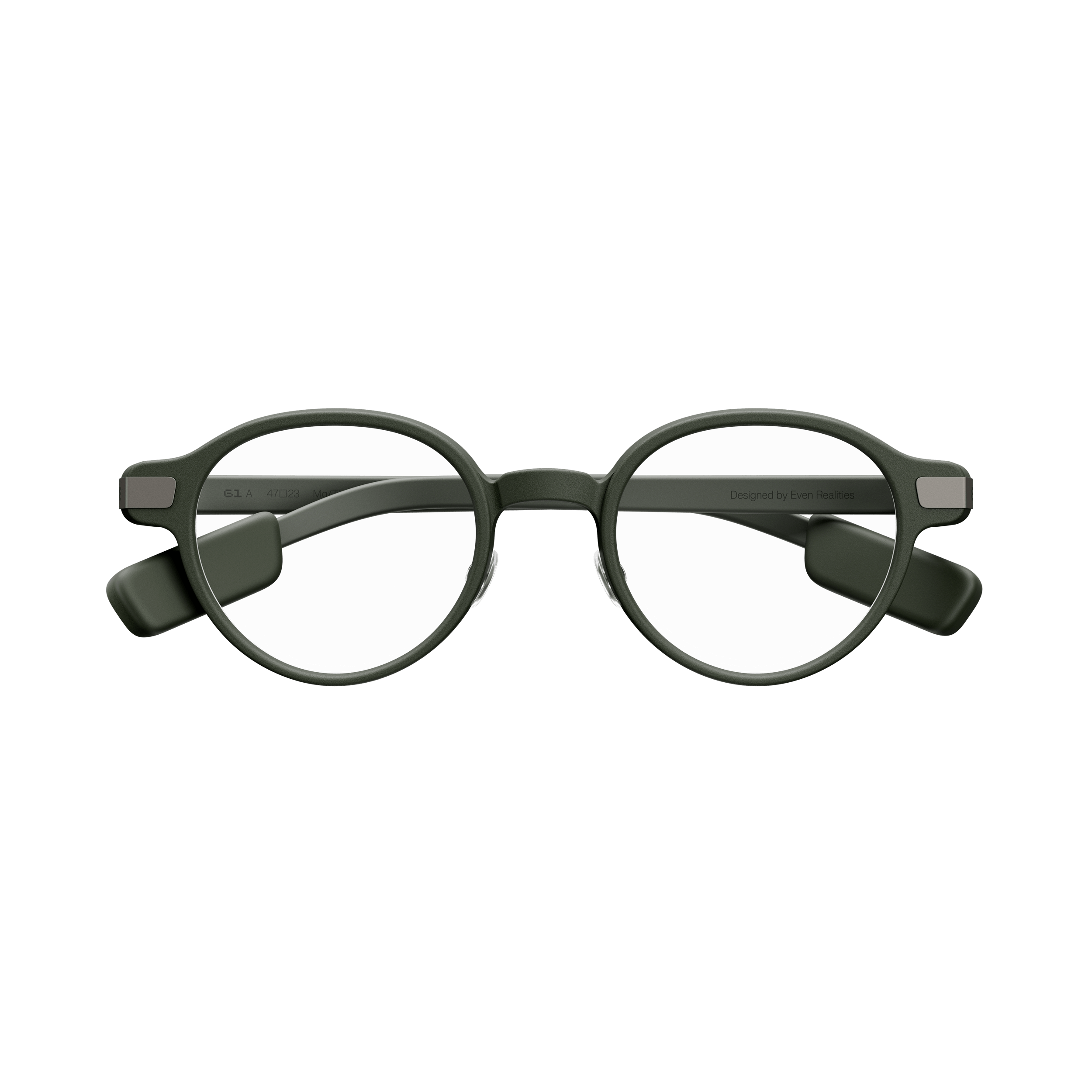
The RayNeo iO smart glasses went on sale today, September 4, 2026, alongside live demos at IFA Berlin. At $449 with a launch discount, they take a radically different approach to AI glasses: no camera, no speakers, just a micro-LED heads-up display, four microphones, and real-time translation across 55 languages. The question is whether a camera-free design makes these the smarter buy — or a compromise too far.
Best For
Travelers, professionals in multilingual settings, and anyone who needs live captioning or translation without a camera raising privacy concerns.
Price
$449 (launch), $479 regular, or $529 with charging case. Available now on RayNeo.com and Amazon.
Compare Next
See how the iO stacks up in our smart glasses guide or the compare hub.
What Makes the RayNeo iO Different From Other Smart Glasses?
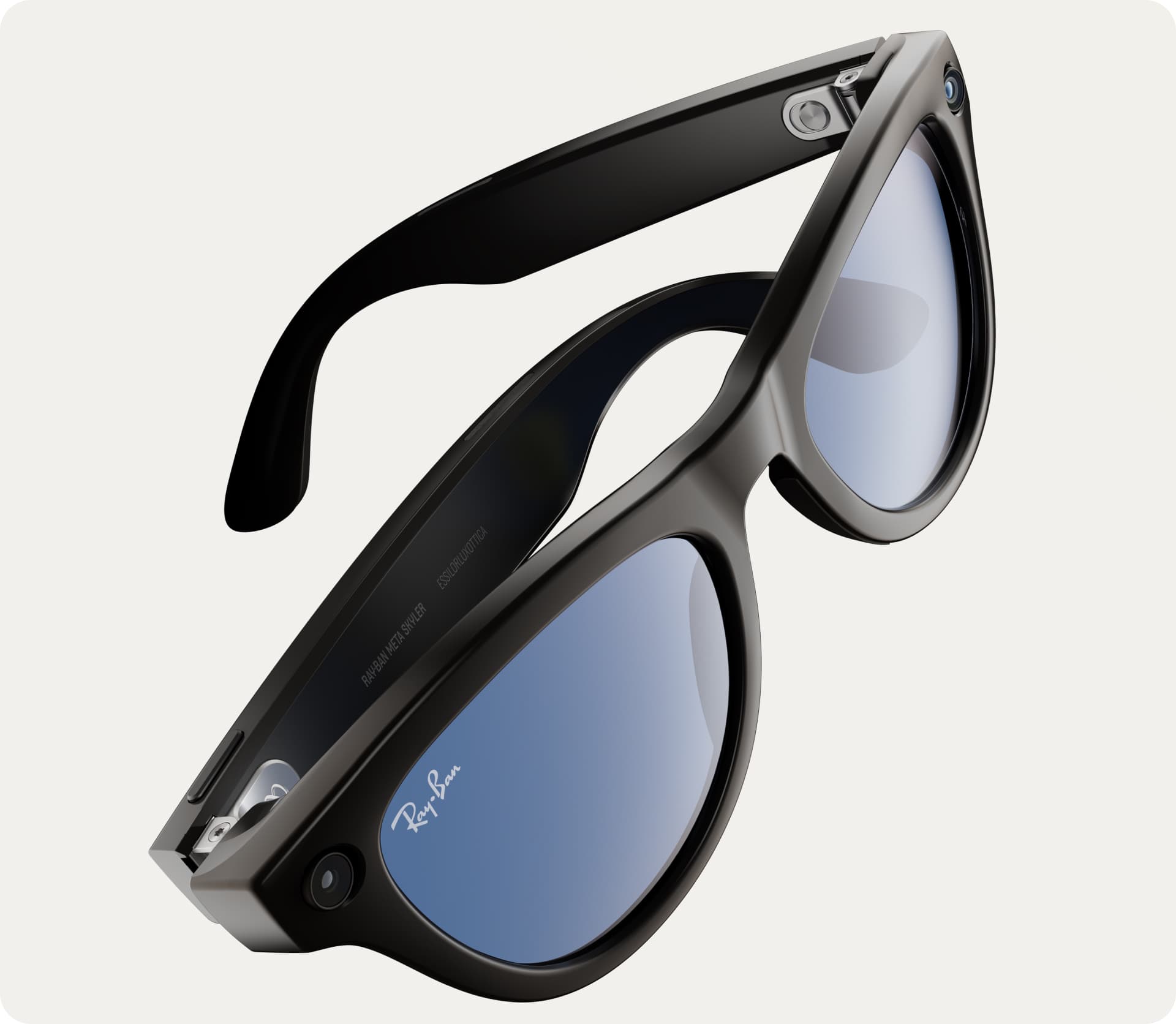
Most AI glasses in 2026 — the Meta Ray-Ban, Samsung Galaxy Glasses, and the upcoming XREAL Aura — lead with cameras. The RayNeo iO flips that formula entirely. It strips away the camera and speakers, focusing instead on a micro-LED heads-up display that projects text directly into your field of vision.
The result is a pair of glasses that weighs just 33 grams in a retro Crown Panto frame made from magnesium-aluminum alloy with aerospace-grade titanium temples. For comparison, the Meta Ray-Ban weighs about 49 grams, and even the Even Realities G1 comes in at 38 grams.
How Good Is the Translation and Captioning?
The iO's headline feature is real-time streaming translation across 55 languages and 109 accents, powered by Timekettle's BabelOS 3.0 engine. Four microphones capture speech, and translated text appears on the heads-up display with approximately one-second latency.
Beyond translation, the iO handles live captioning for the hearing-impaired, real-time teleprompter functionality for speakers and presenters, notification display from your connected phone, and voice notes captured through the bone-conduction sensor. The AI assistant supports both Google Gemini and Anthropic Claude.
Battery life is the trade-off: the 240mAh cell manages up to two days of typical use (notifications, short translation sessions), but continuous translation drops it to about 6.2 hours. The optional charging case ($529 bundle) adds two extra charges for extended travel days.
RayNeo iO vs Meta Ray-Ban vs Even Realities G1: Which Should You Buy?
These three glasses represent three distinct approaches to AI eyewear:
- RayNeo iO ($449): Camera-free, HUD display, translation-first. Best for multilingual professionals and travelers.
- Meta Ray-Ban ($379): Camera + audio first, Meta AI, livestreaming. Best for social media creators and general-purpose AI queries.
- Even Realities G1 ($499): Minimalist HUD display, notifications, no camera. Closest competitor to the iO, but heavier at 38g and more focused on productivity than translation.
Is the Camera-Free Design a Feature or a Limitation?
It depends on what you want from AI glasses. The camera-free design means the iO is welcome in places where camera glasses aren't — offices with strict recording policies, schools that have banned camera glasses, and countries with strict privacy laws. In Australia, for instance, regulators are pushing for mandatory face-blur on camera glasses.
The trade-off is obvious: no photos, no video, no visual AI analysis. You can't point the iO at a menu in a foreign language and get a visual translation — you'd need to speak the text or have someone read it aloud. If visual AI is your priority, the Meta Ray-Ban is the better choice.
Should You Buy the RayNeo iO or Wait?
Buy now if you travel frequently in multilingual environments, need live captioning for hearing accessibility, give presentations and want a teleprompter, or work in settings where camera glasses are banned or awkward.
Wait if you want camera-based AI features (buy the Meta Ray-Ban instead), you want a full AR display (wait for XREAL Aura or Snap Specs), or you're waiting for the Samsung Galaxy Glasses at a potentially lower price.
At $449, the RayNeo iO carves out a genuine niche in the smart glasses market. It won't replace Meta Ray-Ban for creators or XREAL Aura for AR enthusiasts, but for the specific use cases it targets — translation, captioning, and privacy-conscious AI assistance — there's nothing else quite like it at this weight and price.
Related Articles
RayNeo iO FAQ
Common questions about the RayNeo iO smart glasses
Quick answers about camera design, translation accuracy, battery life, and how the iO compares to competitors.
Do the RayNeo iO smart glasses have a camera?
No. The RayNeo iO is deliberately camera-free, using four microphones and a bone-conduction sensor instead. This makes them more socially acceptable in offices, restaurants, and countries where recording glasses face legal restrictions.
How accurate is the RayNeo iO live translation?
The iO supports 55 languages and 109 accents through Timekettle BabelOS 3.0, with roughly one-second latency. Real-world accuracy depends on ambient noise and speaking clarity, but early reviews report strong performance in quiet-to-moderate environments.
What is the RayNeo iO battery life?
The 240mAh battery lasts up to two days under typical use — checking notifications, short translation sessions, and AI queries. Continuous translation mode drops battery life to around 6.2 hours.
Should I buy the RayNeo iO or wait for Samsung Galaxy Glasses?
The RayNeo iO is available now at $449 with a HUD display and translation focus. Samsung Galaxy Glasses are expected in fall 2026 but lack a display and focus on camera and audio. If you want on-lens information and translation, buy the iO. If you want a camera-first experience, wait for Samsung or buy Meta Ray-Ban.
Where can I buy the RayNeo iO smart glasses?
The RayNeo iO is available directly from RayNeo's website and on Amazon starting September 4, 2026. The launch discount brings the price to $449, down from the regular $479.