Meta Ray-Ban Display v127 Update 2026: Muse Spark AI, Threads, and Dynamic Photo — What Changed and Who Should Care
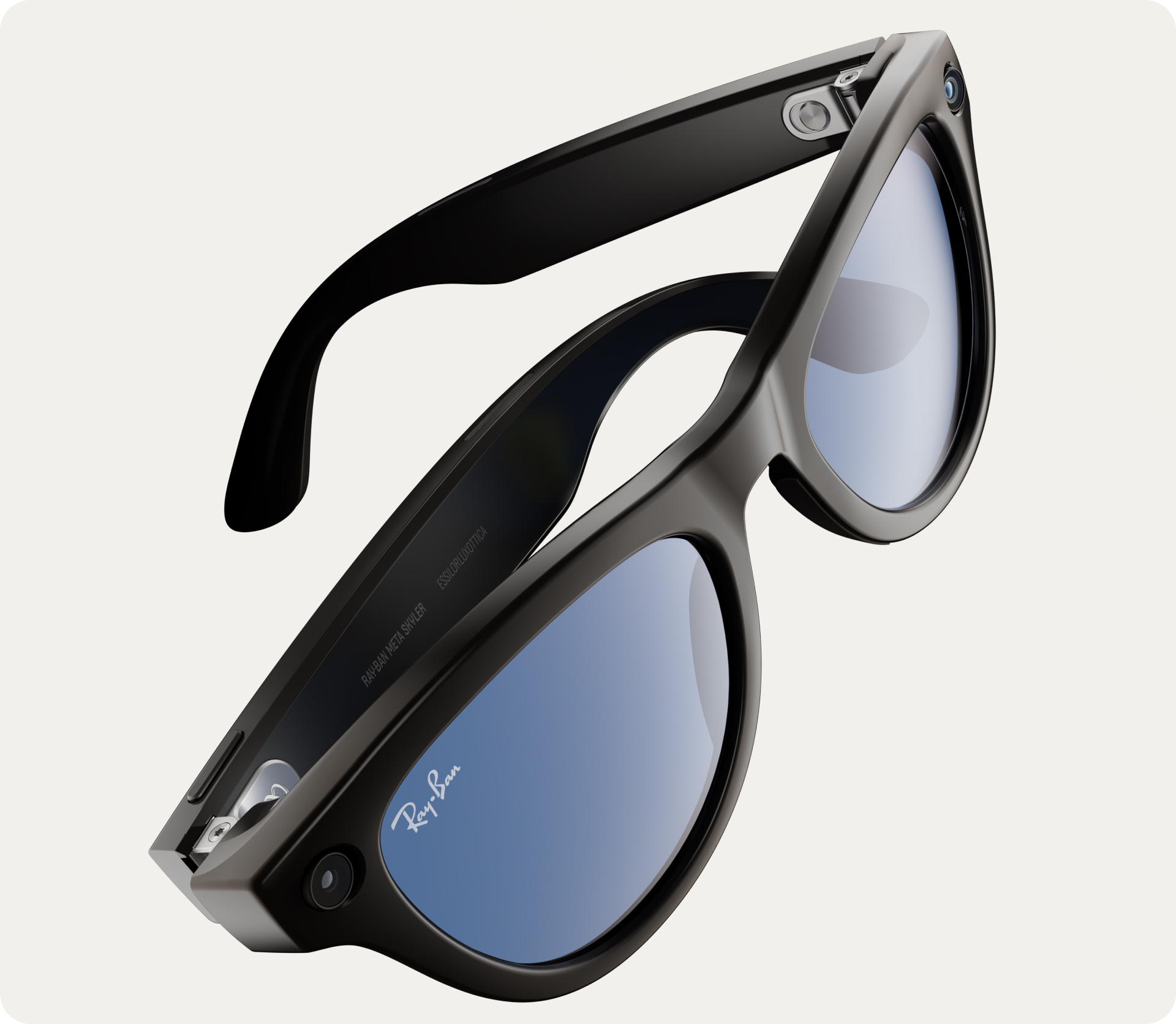
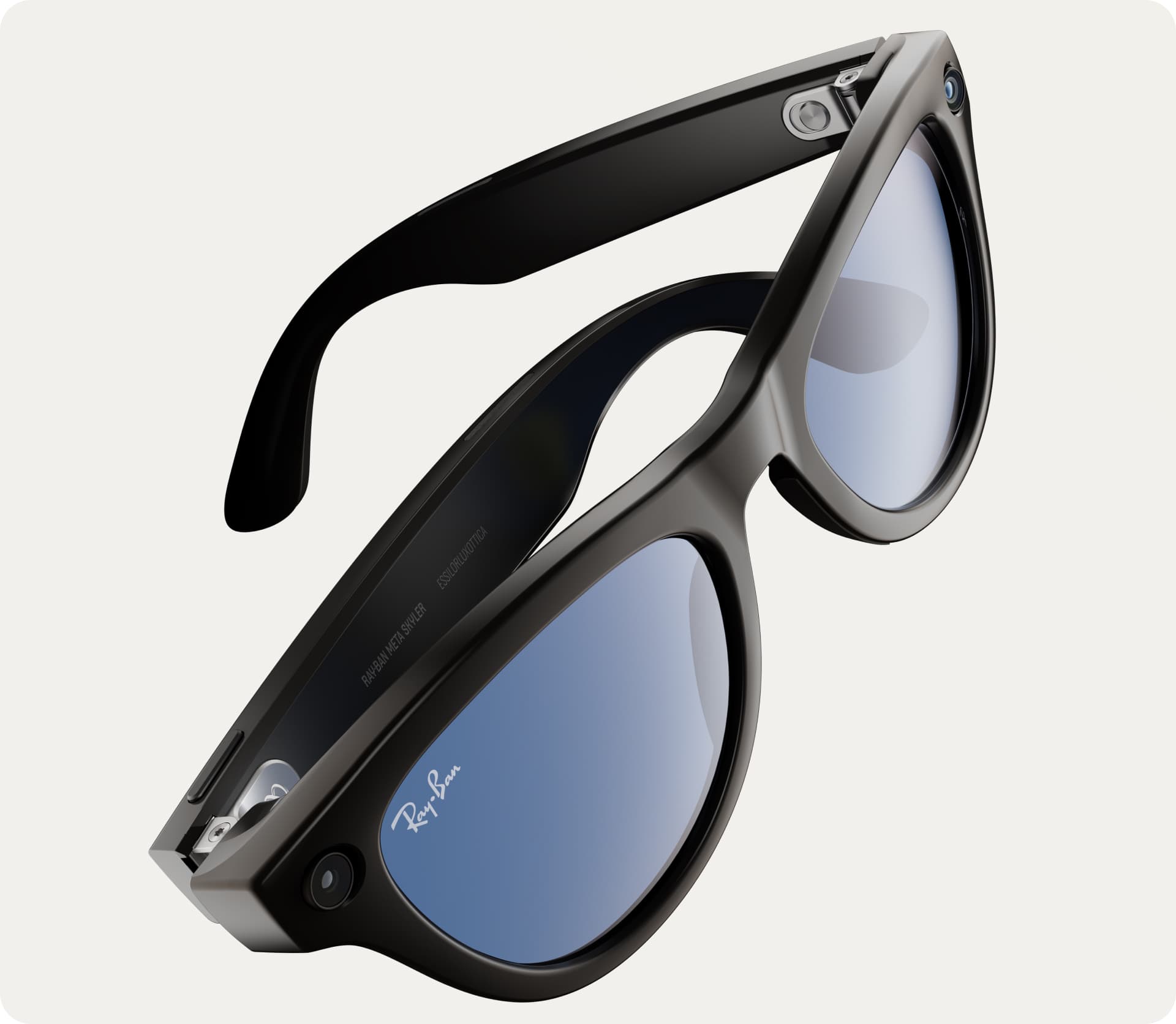
Meta has begun rolling out software version 127 for the Ray-Ban Display smart glasses, and this update is the most significant the $799 model has received since launch. The centerpiece is Muse Spark — Meta's improved multimodal AI model that finally makes the Display's camera-based AI assistant genuinely useful instead of frustratingly limited. Alongside the AI upgrade, v127 adds a native Threads app, Dynamic Photo burst mode, and Photo Ultra HDR.
The Update
v127 brings Muse Spark AI, Threads, Dynamic Photo, and Ultra HDR to the Ray-Ban Display smart glasses.
Who It Affects
Current Ray-Ban Display owners get a major AI upgrade. Prospective buyers now have a stronger reason to consider the $799 model.
Our Take
The AI improvement is real, but the standard Ray-Ban Meta at $379 offers better value for most buyers. Wait for Meta Connect in September.
What Is Muse Spark and Why Does It Matter?
Muse Spark is Meta's improved multimodal AI model designed specifically for wearable devices. Unlike the previous Meta AI on the Display, which Gizmodo memorably called “dumb,” Muse Spark can actually understand what you're looking atthrough the glasses' camera and provide contextually relevant answers.
The previous system frequently misfired on object recognition — misidentifying plants, failing to read signs from a distance, and giving generic responses when asked about specific items in view. Muse Spark addresses these weaknesses with a multimodal architecture that processes visual and audio input together, producing smarter answers and clearer understanding of your surroundings.
The standard Ray-Ban Meta glasses ($379) already received Muse Spark via the v126 update. The Display model waited until v127, likely because additional optimization was needed for the display-equipped hardware.
What Else Is New in v127?
Threads App Integration
The Display now has a native Threads app that takes full advantage of the built-in viewfinder screen. You can browse your feed, view media, engage with posts, share posts to messages, and use voice commands to control actions — all without pulling out your phone. This is exclusive to the Displaysince the standard Ray-Ban Meta doesn't have a screen.
Dynamic Photo
Dynamic Photo automatically takes several shots when you press the capture button, then selects the best one. Smart glasses photos are notoriously difficult to frame since you can't see exactly what the camera sees (even with the Display's viewfinder). Dynamic Photo reduces the chance of blurry or poorly timed shots by giving the AI multiple frames to choose from.
Photo Ultra HDR
Enhanced color processing improves the dynamic range and color accuracy of photos taken through the glasses' camera. Smart glasses cameras have historically produced washed-out images compared to smartphones; Ultra HDR narrows that gap.
Should You Buy the Ray-Ban Display Now or Wait?
The v127 update makes the Ray-Ban Display a significantly better product than it was at launch. The AI goes from frustrating to functional, and the Threads integration gives the built-in screen a compelling use case. However, three factors should inform your decision:
- Meta Connect is September 23: Meta has confirmed new hardware announcements. If next-gen glasses are revealed, Display prices may drop or a successor could launch within months.
- The standard Ray-Ban Meta is half the price: At $379 on Amazon, the standard model has the same Muse Spark AI, camera, and audio. You only miss the viewfinder screen and Threads browsing.
- Samsung Galaxy Glasses launch this fall: The Galaxy Glasses with Gemini AI will compete directly at a similar price point.
How Does This Compare to Samsung Galaxy Glasses and Apple?
Meta's Muse Spark upgrade comes at an interesting moment in the smart glasses market. Samsung's Galaxy Glasses will launch this fall with Google Gemini AI, which early comparisons suggest leads in contextual awareness. Apple's smart glasses are targeting WWDC 2027 with a privacy-first approach.
For buyers who want camera-free smart glasses, the Even Realities G2 ($599) remains the leading option. Compare all smart glasses in our smart glasses guide.
Related Articles
- Meta Ray-Ban v126 Muse Spark Update: What Changed
- Meta Connect 2026 Preview: What Buyers Should Expect
- Samsung Galaxy Glasses Unveiled: Should You Wait or Buy Meta Ray-Ban?
- AI Wearables Privacy Guide 2026: What Devices Actually Record
- Meta Ray-Ban Smart Glasses Review
- Meta Ray-Ban Smart Glasses Price Comparison
- Compare All Smart Glasses
Frequently Asked Questions
What is the Meta Ray-Ban Display v127 update?
Version 127 is Meta's latest software update for the Ray-Ban Display smart glasses ($799). It brings the improved Muse Spark AI model for smarter visual understanding, a native Threads app, Dynamic Photo burst mode, and Photo Ultra HDR for better color in pictures.
Is the Muse Spark AI update available on the standard Ray-Ban Meta glasses too?
The standard Ray-Ban Meta glasses ($379) received Muse Spark earlier via the v126 update. The v127 update specifically brings the improved AI to the Ray-Ban Display model, which previously had weaker computer vision capabilities.
Should I buy the Ray-Ban Display or the standard Ray-Ban Meta?
For most buyers, the standard Ray-Ban Meta at $379 offers better value — it has the same Muse Spark AI, camera, and audio features. The $799 Display adds a small built-in viewfinder screen and Threads browsing, which matter most for social media power users and people who want to preview photos without pulling out their phone.
Will Meta release new smart glasses at Connect 2026?
Meta Connect is scheduled for September 23–24, 2026. Meta has confirmed it will share news about next-generation headsets, and leaks suggest new smart glasses models (codenamed Modelo and Luna) are in development. If you can wait two months, Connect may reveal whether an upgrade is worth waiting for.
Does the v127 update fix the Ray-Ban Display's camera privacy concerns?
The v127 update does not change the camera hardware or privacy indicators. The Ray-Ban Display still has a 12MP camera with Meta's mandatory privacy LED that illuminates during recording. The Muse Spark AI upgrade improves how the camera understands what it sees, but does not add new privacy controls.