Instagram Bans 'Pervert Glasses' Videos: Should You Still Buy Meta Ray-Ban Smart Glasses in 2026?
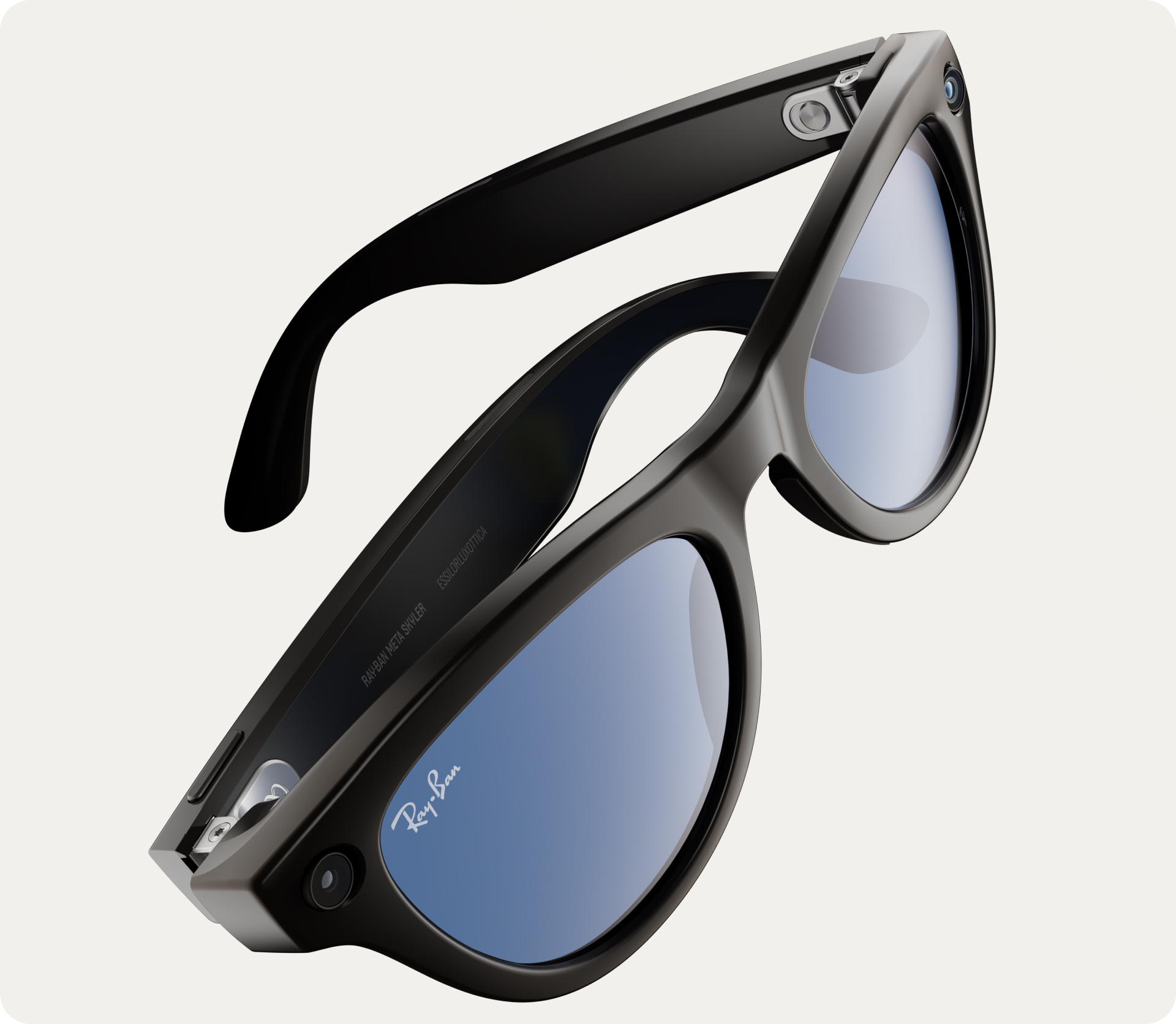
Meta's Ray-Ban smart glasses are the fastest-growing consumer electronics category in the industry, with revenue nearly doubling this year. But they've also earned an unwelcome nickname: 'pervert glasses.' Instagram head Adam Mosseri has now confirmed that Meta is actively removing harassment content and banning creators who misuse the glasses' cameras. Here's what's happening, what Meta is doing about it, and whether you should still buy a pair.
The Problem
Creators filming harassment and pickup videos with Ray-Ban Meta cameras, posting without consent.
Meta's Response
Content removal, account bans, firmware that kills camera if recording LED is blocked.
Our Advice
Still worth buying for responsible users. Consider camera-free alternatives if privacy is your top priority.
What Exactly Is the 'Pervert Glasses' Problem?
Since the Ray-Ban Meta glasses look virtually identical to regular Ray-Bans, some users have exploited their discreet camera to film people without their knowledge. The worst offenders are pickup artist 'manfluencers' who record themselves approaching strangers — predominantly women — and post the footage on Instagram and TikTok for engagement. Other documented misuse includes filming in courtrooms (leading to New York's statewide courthouse ban), cheating on exams in South Korea, and even one case of extortion.
The recording indicator — a small white LED that blinks when the camera is active — exists, but it's subtle enough that most bystanders don't notice it, especially outdoors or in bright environments. Two Harvard students demonstrated the stakes last year by connecting Ray-Ban Meta footage to facial recognition systems, successfully identifying random strangers in real time.
What Is Meta Actually Doing About It?
Meta's response has been multi-layered, covering both software and content policy:
Content moderation: Instagram head Adam Mosseri explicitly stated that content 'taking advantage of people and harassing them' will be removed, and repeat offenders will have their accounts banned. Meta has already removed several high-profile creator accounts.
Firmware safeguards: A recent software update disables the camera entirely if the user attempts to cover or conceal the blinking recording LED. This prevents the most common workaround used by bad actors.
Facial recognition removal: Meta removed the Nametag facial recognition feature after pressure from the EFF and 75 rights organizations, eliminating the ability to identify strangers through the glasses.
Recording transparency: In a July 7 blog post, Meta reiterated that photos and videos captured with the glasses remain private by default and are only shared if the user actively chooses to post them.
Is This Enough to Fix the Problem?
Honestly, it's a meaningful step but not a complete solution. Content moderation catches bad actors after they post, not before they record. The firmware camera-kill for blocked LEDs is clever, but determined bad actors could find other workarounds. And the fundamental issue — that a camera in glasses is inherently more discreet than a phone camera — won't change unless the form factor does.
That said, the same concern applies to any camera — phones are used for secret recordings far more often than smart glasses, and they outsell smart glasses by orders of magnitude. The EFF's wearable privacy report acknowledged that Meta has made more privacy concessions than most competitors, even if the organization wants more.
Should You Still Buy Meta Ray-Ban Smart Glasses?
Yes, for most buyers. The privacy controversy is about misuse, not a flaw in the product itself. The vast majority of Ray-Ban Meta owners use their glasses for hands-free AI assistance, music, calls, and occasional photos — all legitimate, everyday use cases. The AI features, powered by the Muse Spark model, work entirely through voice and don't require the camera at all.
Consider alternatives if: Privacy is your top priority and you're uncomfortable with a device that has any camera capability. The Even Realities G2 offers AI assistance and notifications through a heads-up display with no camera whatsoever. Apple's smart glasses, expected at WWDC 2027, are reportedly being designed with privacy-first principles — including prototypes with no camera at all.
Also consider: Samsung's Galaxy Glasses launching this fall include a 12MP camera, but will run on Google's Android XR platform, which may bring different privacy policies and controls. See our smart glasses privacy ecosystem comparison for the full breakdown.
How to Use Smart Glasses Responsibly
If you own or buy Ray-Ban Meta smart glasses, responsible use is straightforward: don't record people without their awareness, never block the recording LED, respect venue-specific bans, and remember that the glasses' best features — AI assistant, music, calls, navigation — don't require the camera. Meta's privacy settings let you control what data is stored and for how long. Review them after setup.
Related Articles
Smart Glasses Privacy FAQ
Common questions about smart glasses privacy and the Instagram crackdown
Quick answers to help you understand the privacy landscape for smart glasses in 2026.
Why are Meta Ray-Ban smart glasses called 'pervert glasses'?
The nickname emerged because some users have been using the glasses' discreet camera to secretly film strangers — particularly women — in public without consent, then posting the footage on social media. Pickup artists and aspiring influencers have been especially criticized for this behavior.
Can Meta Ray-Ban smart glasses record without people knowing?
The glasses have a small white LED that blinks when recording, but it's subtle enough that many bystanders don't notice it. Meta's latest firmware update disables the camera entirely if a user tries to cover or conceal this indicator light.
Is it legal to record people with smart glasses?
Laws vary by jurisdiction. In most U.S. states, recording in public spaces is legal, but some states require two-party consent for audio recording. Several venues including all New York courthouses have banned smart glasses entirely. Always check local laws before recording.
Are there smart glasses without cameras?
Yes. The Even Realities G2 is a leading camera-free option that focuses on AI assistance and notifications through a heads-up display. Audio-only smart glasses from brands like Bose and Amazon also skip the camera entirely.
Should I still buy Meta Ray-Ban smart glasses despite privacy concerns?
For most buyers, yes — if you plan to use them responsibly. Meta has added real safeguards: mandatory recording LEDs, firmware that kills the camera if the LED is blocked, and active content moderation. The AI and audio features work without the camera. If privacy is your primary concern, camera-free alternatives like Even Realities G2 are worth considering.